01
UK electrician-grade temporary HVAC tools
A practical tool set for the checks that usually get missed on temporary HVAC jobs: can the 110V transformer cope, will the RCD nuisance-trip, is the cable reel overloaded, will the generator handle compressor start, and how should loads split across phases?
Shared context means each tool feeds the next, instead of leaving users with an isolated calculator result.
Built around real site failure modes
National Electric MFG sits one step before equipment selection. It helps the trade user understand supply, circuit, cable, RCD and generator limits, then points to the relevant equipment category: electric heaters, dehumidifiers, air movers, portable AC, drying equipment or ventilation.
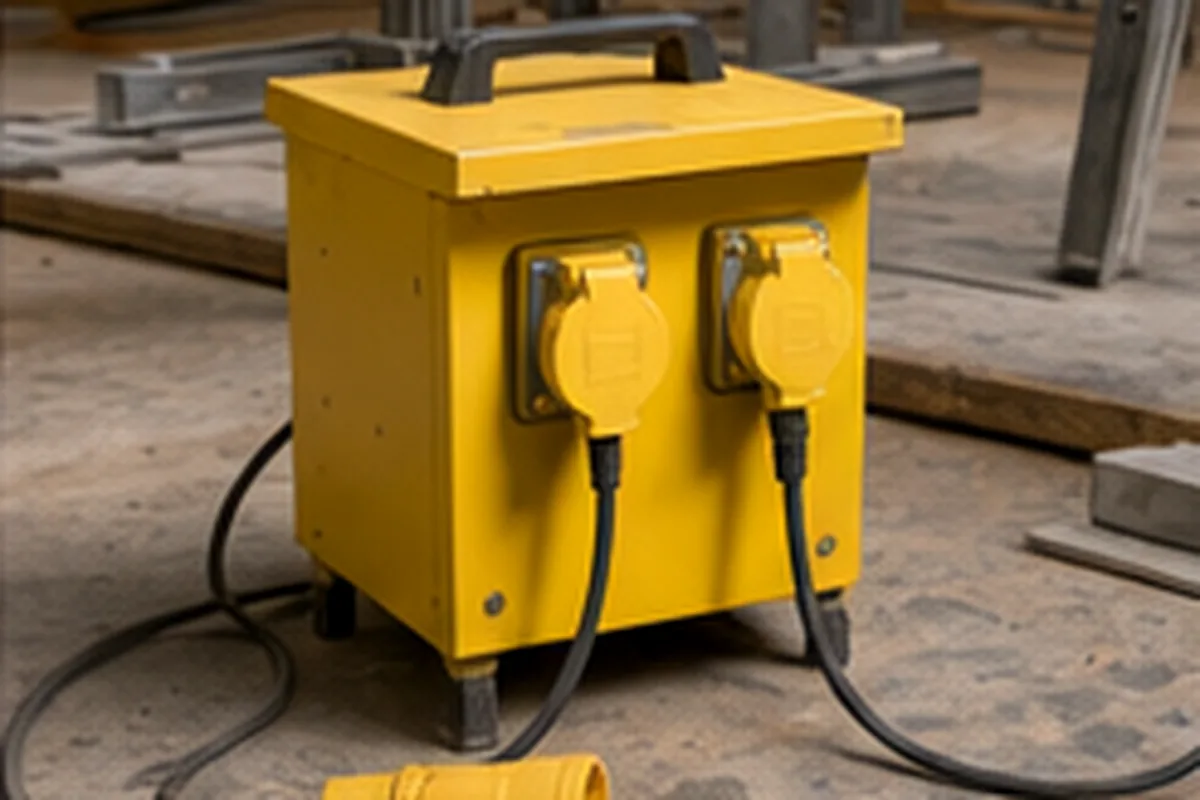
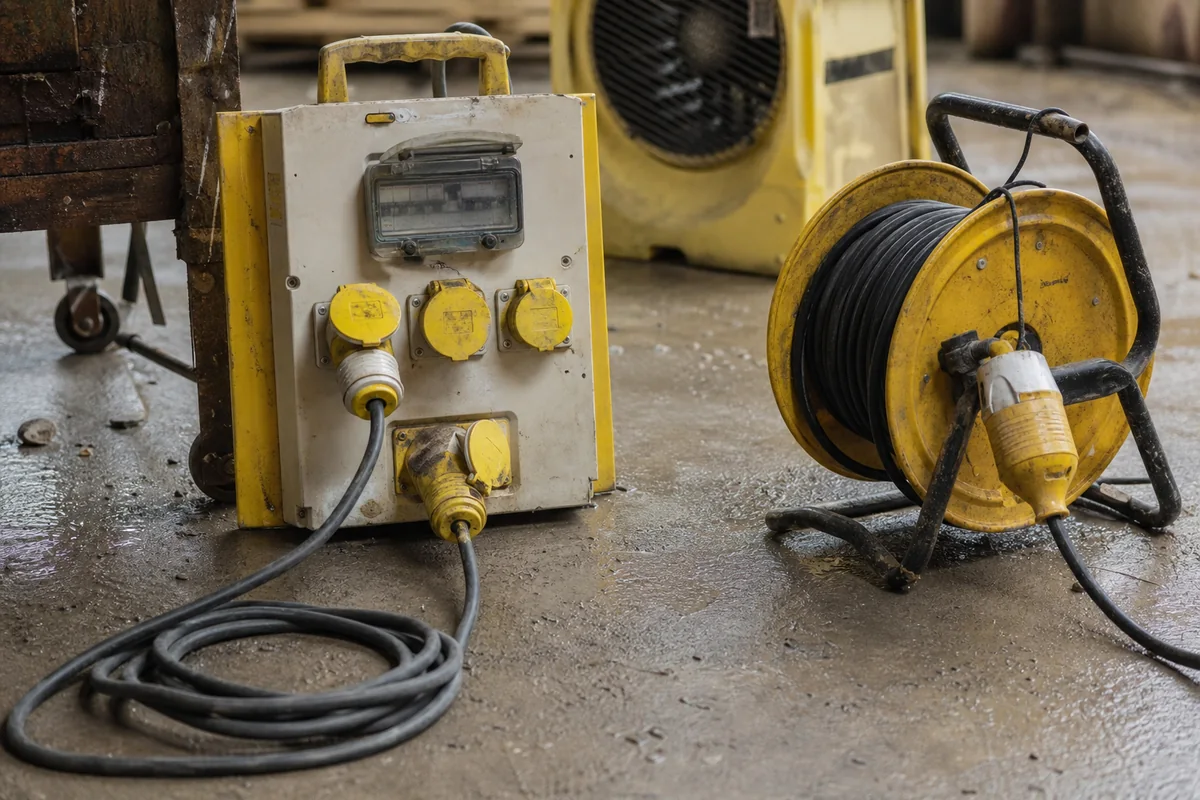
Check whether a 110V site transformer can realistically power temporary heaters, dehumidifiers, fans or drying kit without overload or unacceptable voltage drop.
For construction sites, drying contractors and hire desks using 110V heaters or 110V drying equipment.
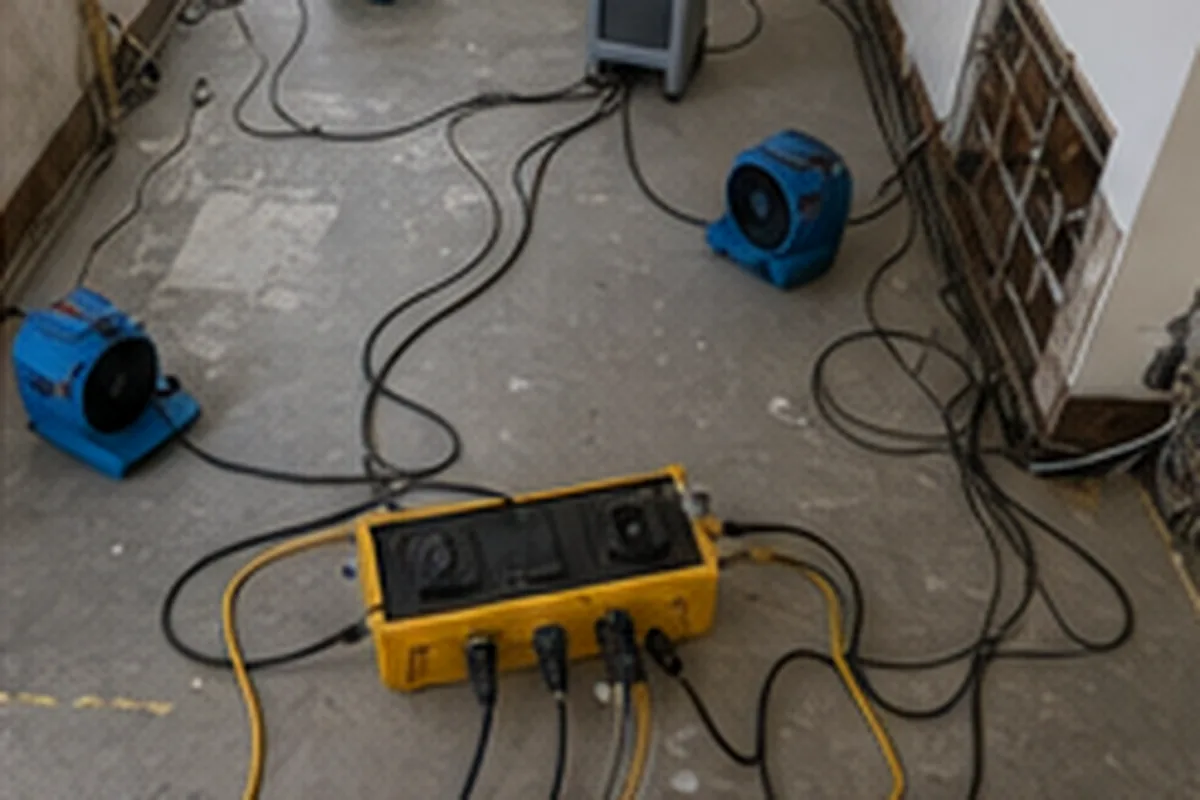
Estimate cumulative leakage from compressors, dehumidifiers, portable AC, heaters, pumps and long wet leads before stacking everything behind one RCD.
Use it when drying or cooling equipment trips randomly or when several items share one RCD/RCBO.
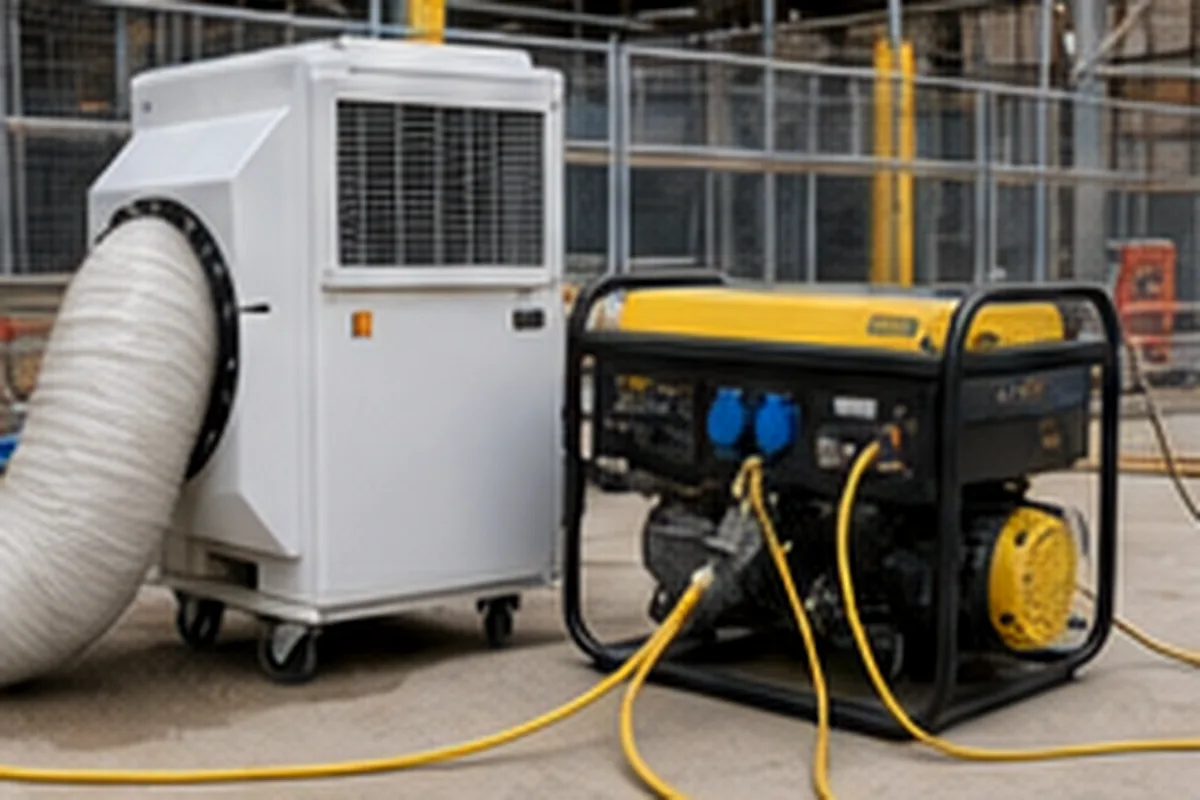
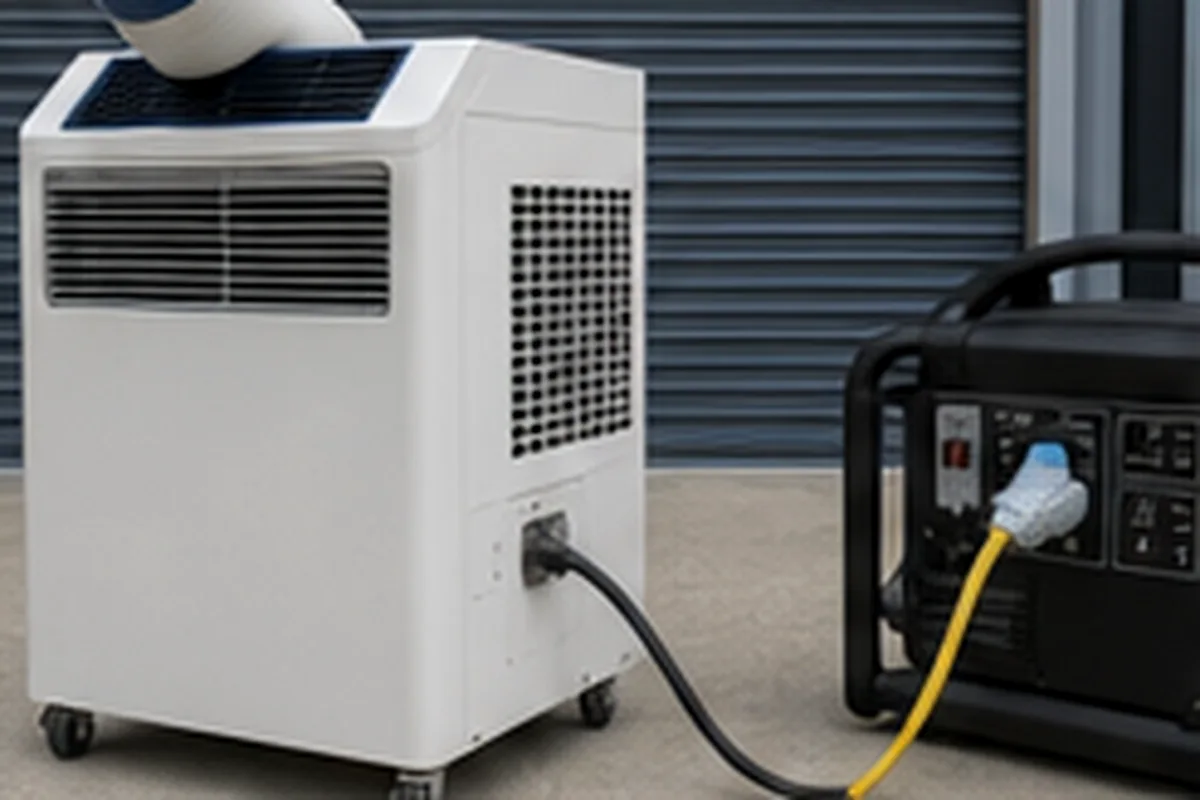
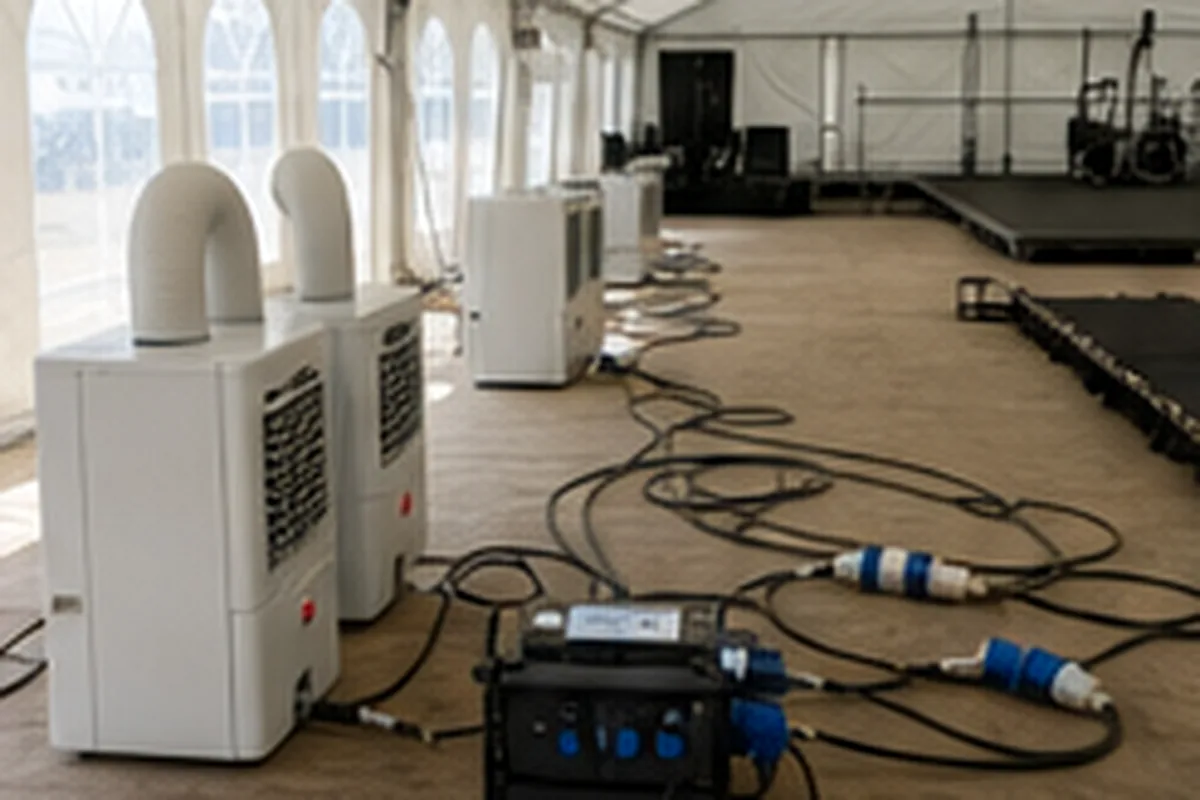
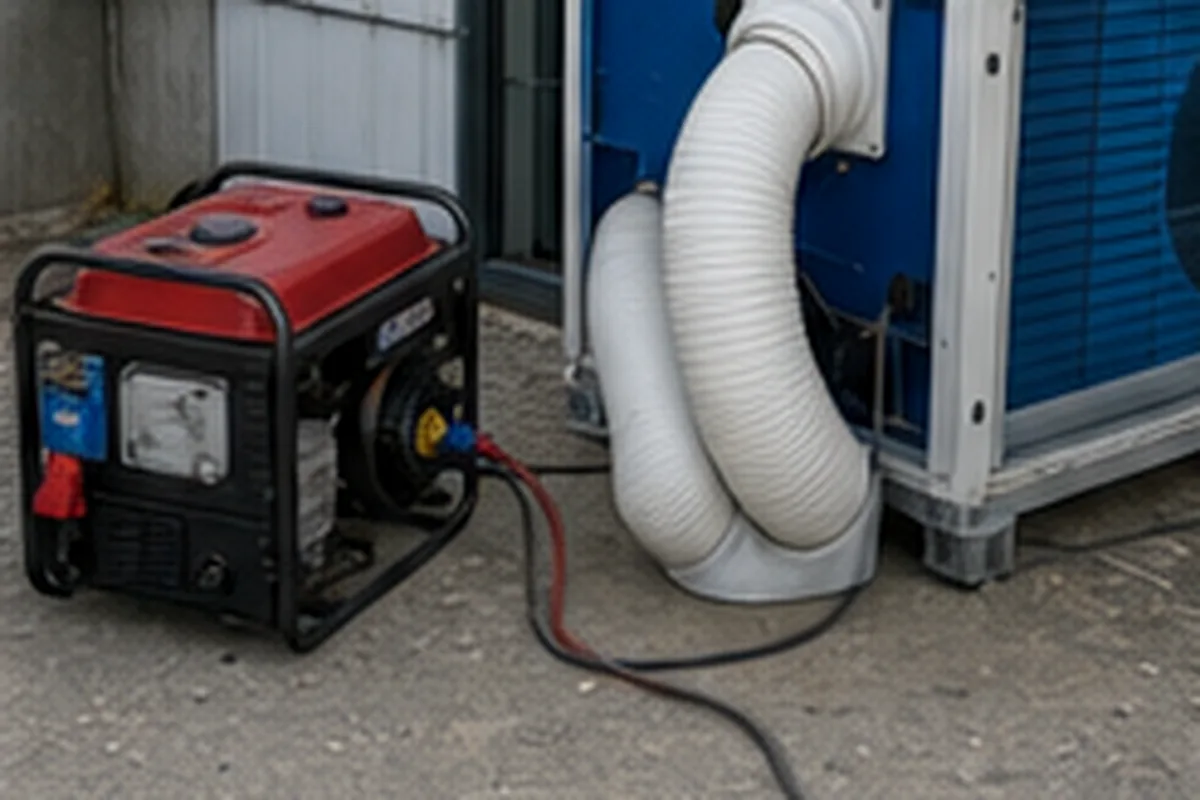
Size a generator for portable AC, dehumidifiers, fans and heaters with a start-current allowance rather than only running watts.
For event sites, emergency cooling, flood drying and temporary power jobs.
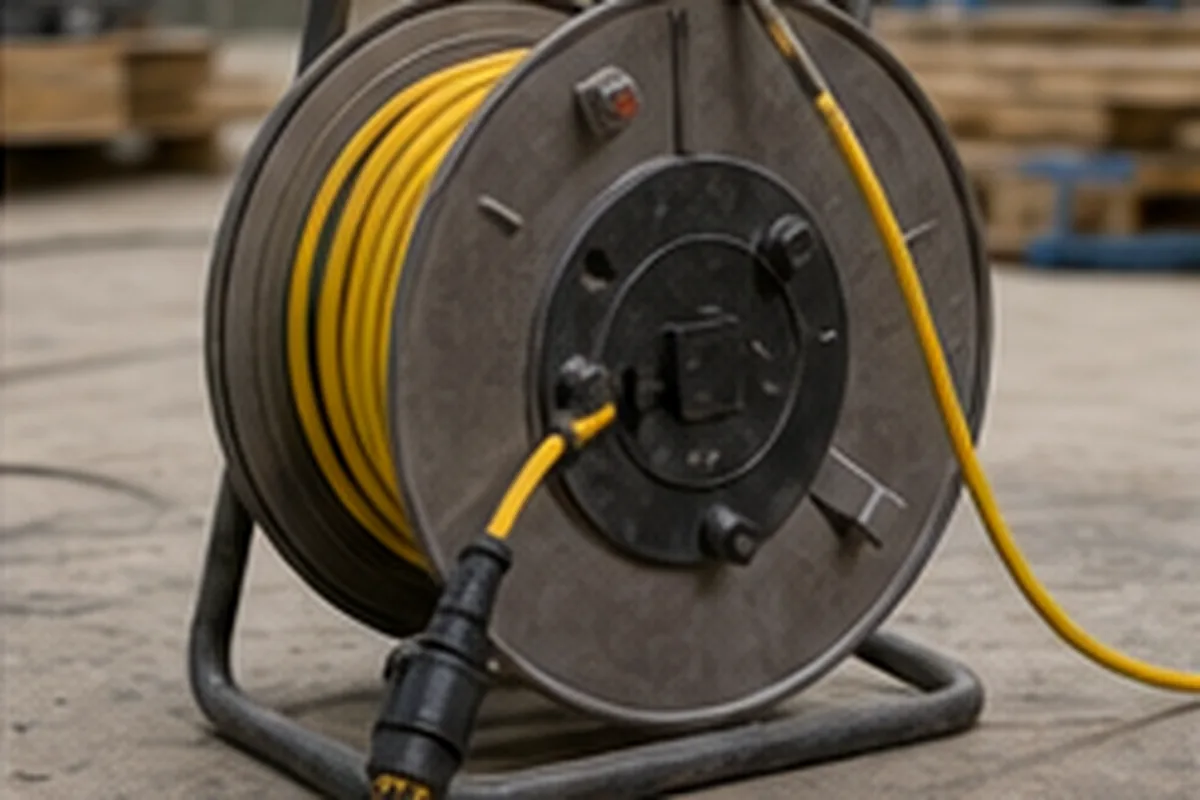
Check whether a coiled, partly unwound or long extension reel is a bad match for a 2kW or 3kW temporary heater.
For heater setups using 13A plugs, 16A commando leads or long extension reels.
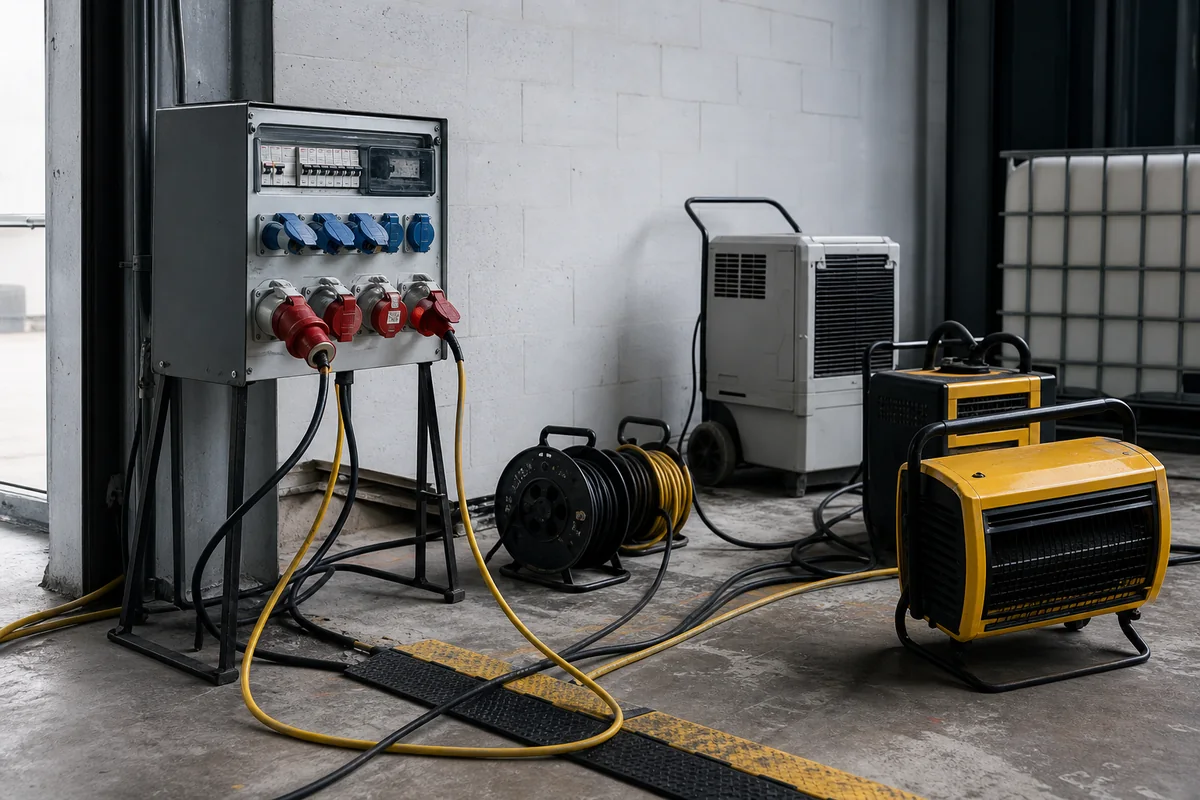
Allocate single-phase heaters, dehumidifiers, fans and portable AC units across L1/L2/L3 to reduce imbalance and nuisance trips.
For 32A, 63A and 125A temporary distribution boards with mixed 230V loads.
Estimate voltage drop over long leads for heaters, air movers, dehumidifiers and portable AC, with compressor start warnings.
A planning aid, not a certification cable design package.
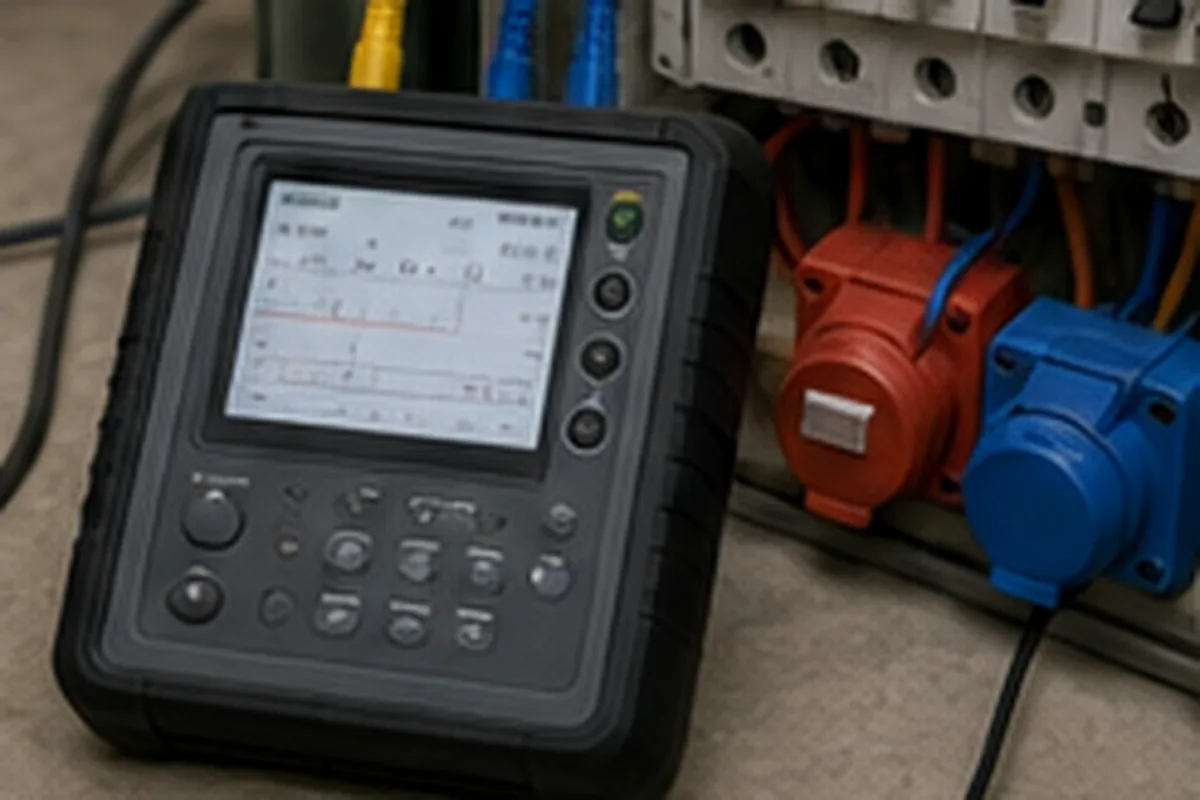
Estimate PSCC or PEFC from Ze and voltage, compare against device breaking capacity, and draft a quick test-sheet note.
For electricians checking prospective fault current, breaking capacity and temporary distribution assumptions.
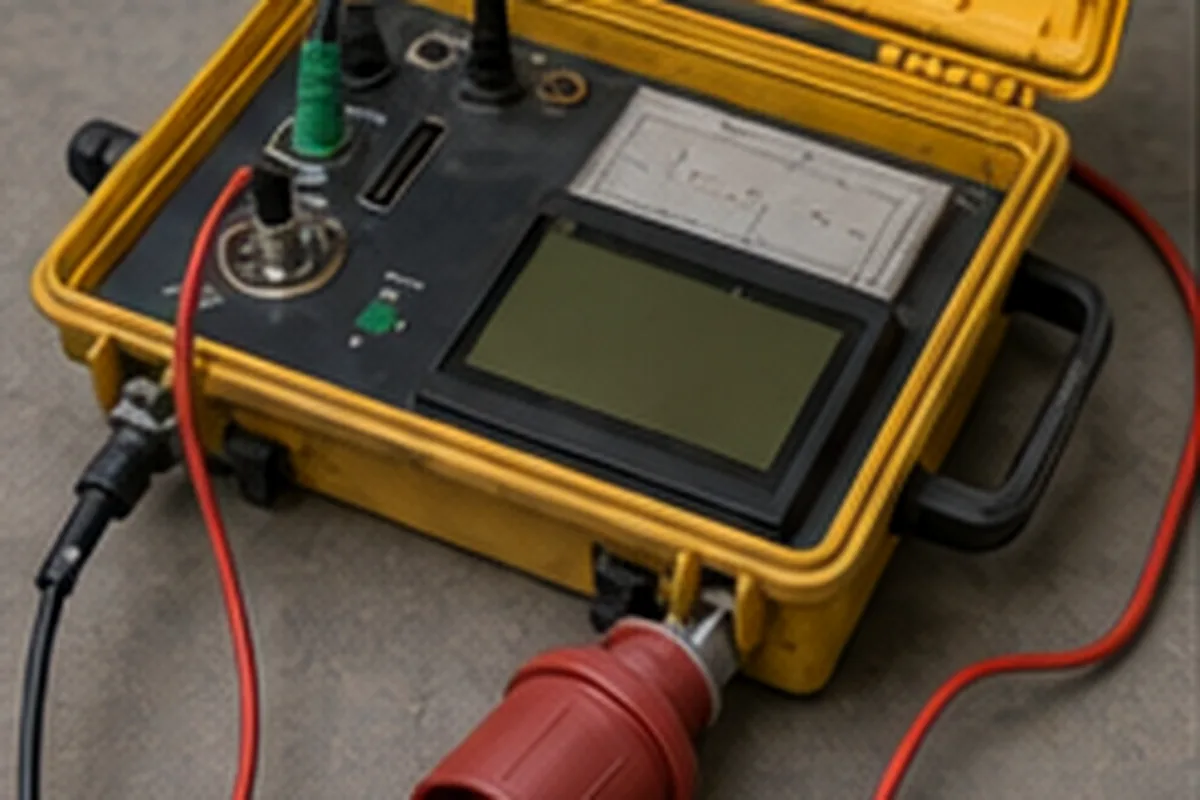
Check a measured Zs value against an entered device limit, with optional 80% rule headroom and clear pass/check wording.
For reviewing Zs results on MCB/RCBO circuits before recording or investigating a circuit.
Use the adiabatic equation shape to compare fault current, disconnection time, k factor and CPC size as a planning aid.
For early CPC adequacy checks where final design still needs current BS 7671 tables and site data.
Stack ambient temperature, grouping, insulation and installation correction factors to see whether corrected Iz still covers load current.
For first-pass cable-capacity checks before final BS 7671 cable selection.
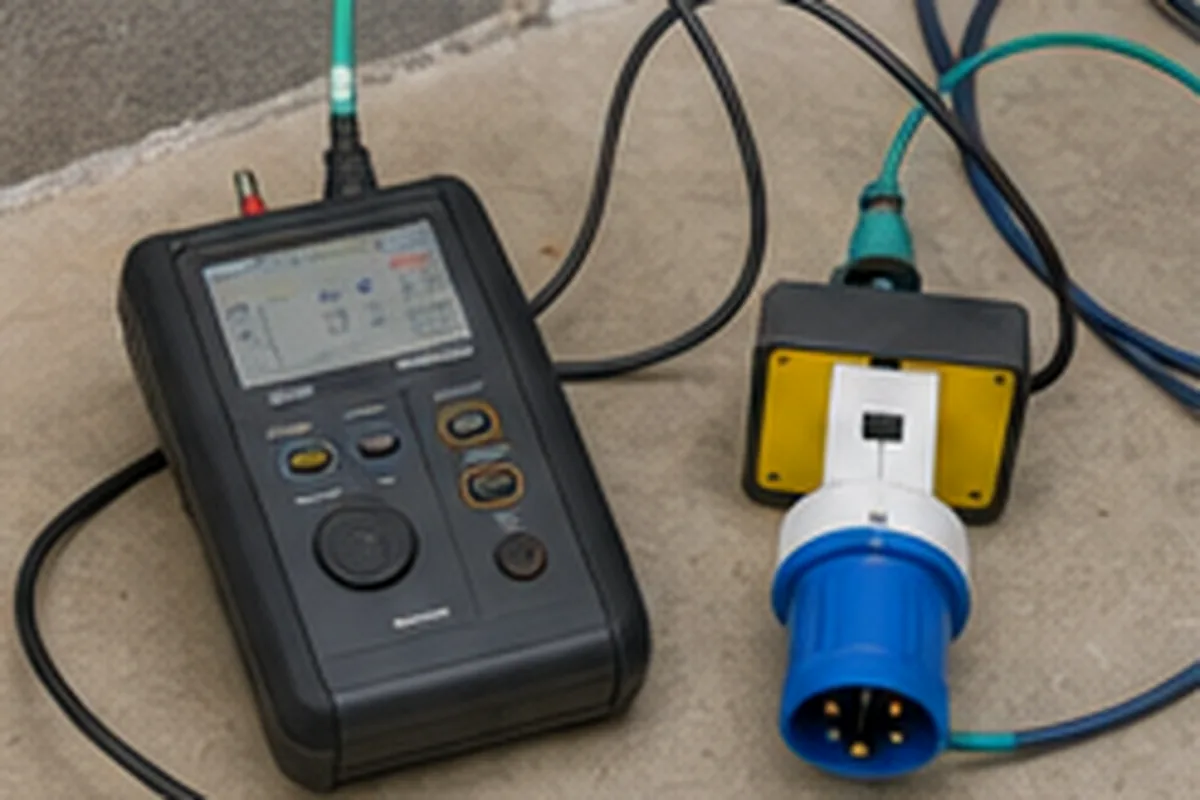
Review x0.5, x1 and x5 RCD trip-time readings and produce a clear pass/check prompt for the job file.
For checking recorded RCD results before deciding whether to retest, investigate or replace.
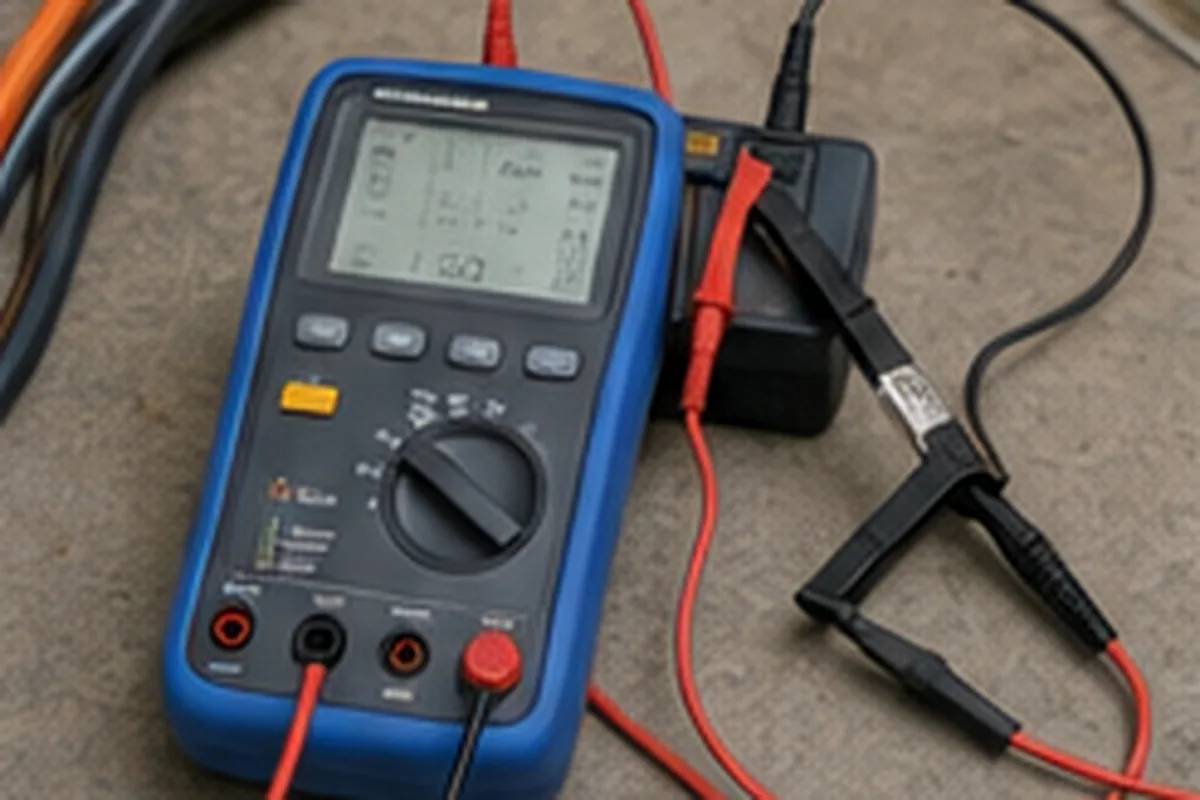
Turn L-N, L-E and N-E insulation-resistance readings into practical next-step notes for damp circuits, appliances and fault finding.
For electricians reviewing low or borderline MΩ readings without treating a web tool as certification.
A guided flow for answering: can this site supply run the electric heaters without overheating cable reels, dropping voltage or overloading one phase?
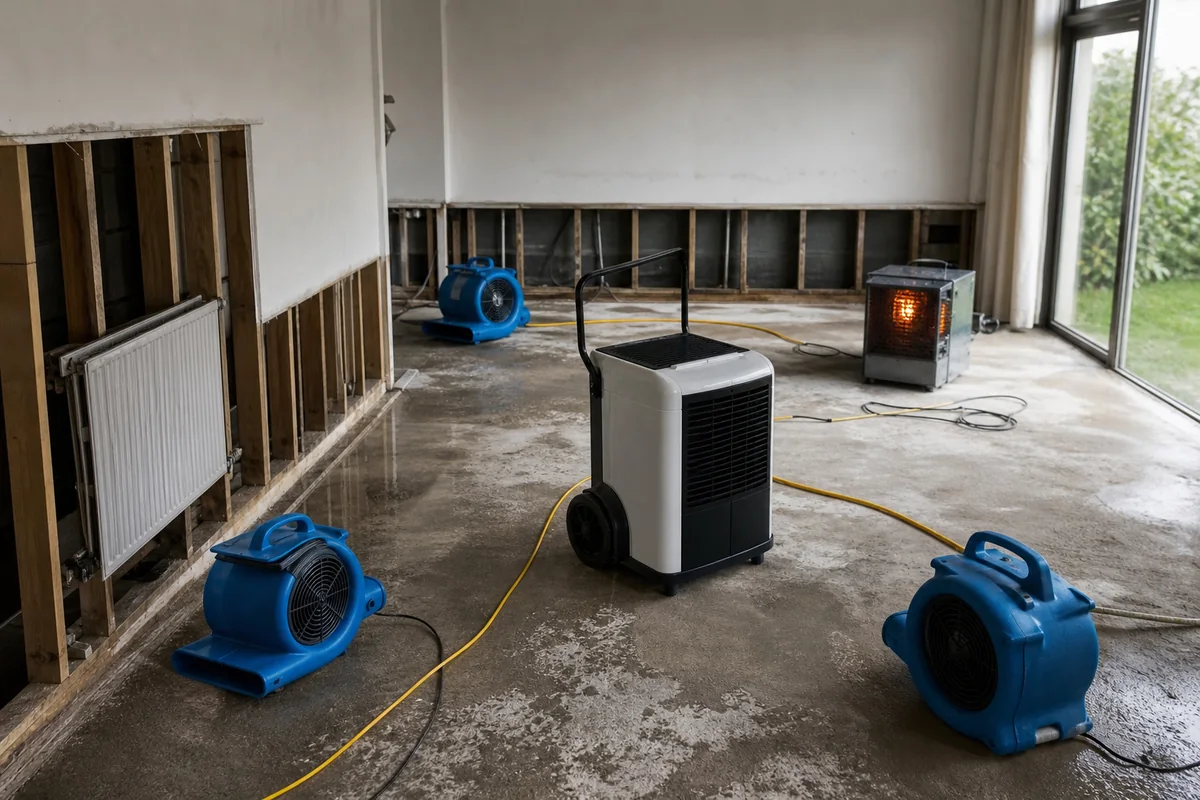
Turn room size, humidity and available power into a drying stack: dehumidifiers, air movers, heater support, RCD split and daily log.
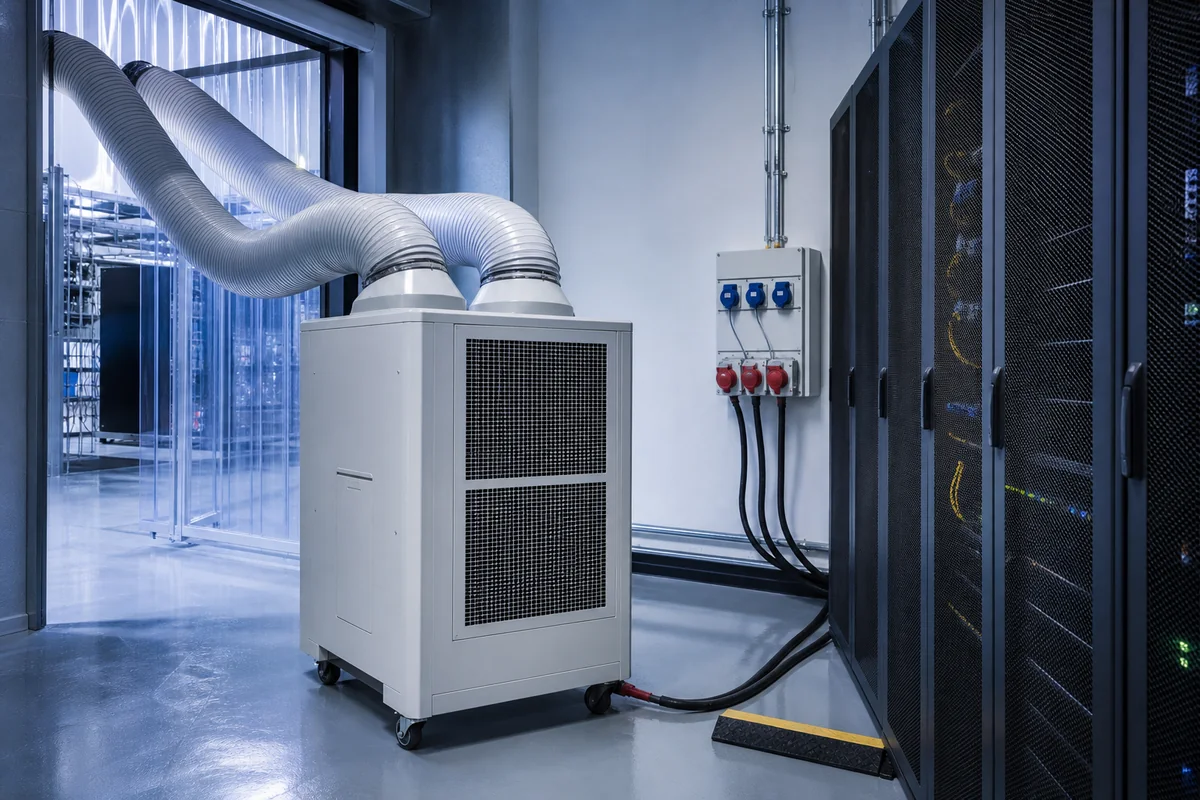
Estimate cooling, start current, exhaust duct losses, condensate handling and generator demand for temporary cooling.
Link high-bay heat loss, door ventilation, destratification and temporary electric heater power into one plan.
Diagnose why drying, cooling or heating equipment trips protection: leakage budget, start current, panel map, lead condition and visual heat-risk scan.
Build a generator plan for heaters, AC, dehumidifiers and fans with kVA, compressor start, voltage drop, RCD and sequencing checks.
AI tools with honest boundaries
Ordinary RGB phone cameras are not LWIR thermal cameras. The AI thermal-style tool therefore creates a risk overlay from visible clues and supports true thermal image upload mode where users have proper thermal-camera data.