Start with the weakest part of the temporary supply
The limiting point is often not the headline supply size. Check plug rating, extension length, reel state, transformer rating, RCD/RCBO sharing and the smallest protective device in the chain.
Electrical calculator · three-phase / phase balance / temporary DB
Allocate single-phase heaters, dehumidifiers, fans and portable AC units across L1/L2/L3 to reduce imbalance and nuisance trips.
For 32A, 63A and 125A temporary distribution boards with mixed 230V loads.
Field notes
Practical checks to run before this calculator result turns into a site decision.
The limiting point is often not the headline supply size. Check plug rating, extension length, reel state, transformer rating, RCD/RCBO sharing and the smallest protective device in the chain.
Compressors, pumps and long leads can behave badly at start-up. Treat amber results as a prompt to split circuits, stagger starts or move the load closer to the board.
Record the entered load, assumed voltage, cable run and any decision to split equipment. It makes later fault finding and handover conversations much cleaner.
FAQ
Short answers for UK temporary electrical and HVAC planning.
Allocate single-phase heaters, dehumidifiers, fans and portable AC units across L1/L2/L3 to reduce imbalance and nuisance trips. It is mainly for temporary HVAC, drying, cooling and site-power planning, especially where a quick pre-check is needed before selecting equipment or changing a temporary setup.
No. Treat it as a pre-check for the conversation or job file. Final decisions still need current BS 7671 requirements, manufacturer data, inspection, testing, risk assessment and the actual site conditions.
Check supply rating, protective device rating, cable length, voltage drop, start current, phase balance and the condition of temporary leads or distribution boards. If any assumption is uncertain, use the result as a prompt to investigate rather than as clearance to switch on.
It normally means the margin is weak, an assumption is missing, or the load should be split, staged, moved closer to the supply, reduced or checked by a qualified electrician before use.
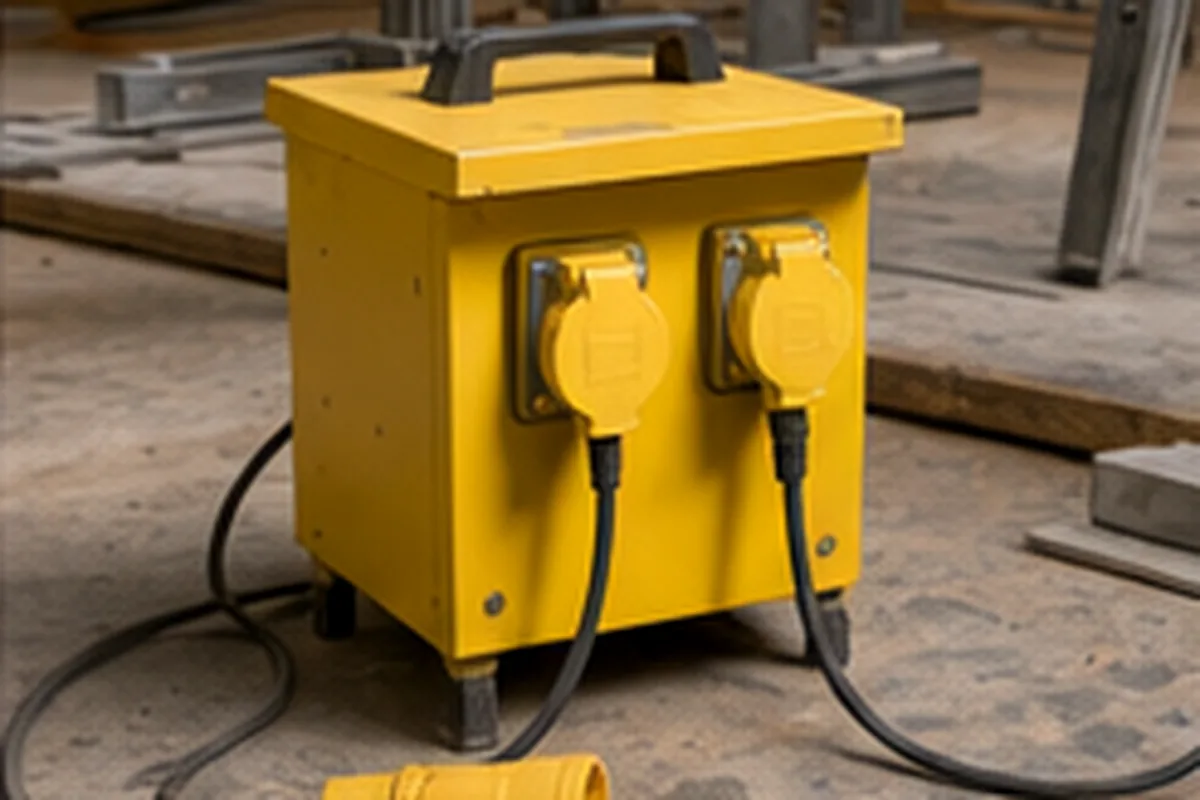
Check whether a 110V site transformer can realistically power temporary heaters, dehumidifiers, fans or drying kit without overload or unacceptable voltage drop.
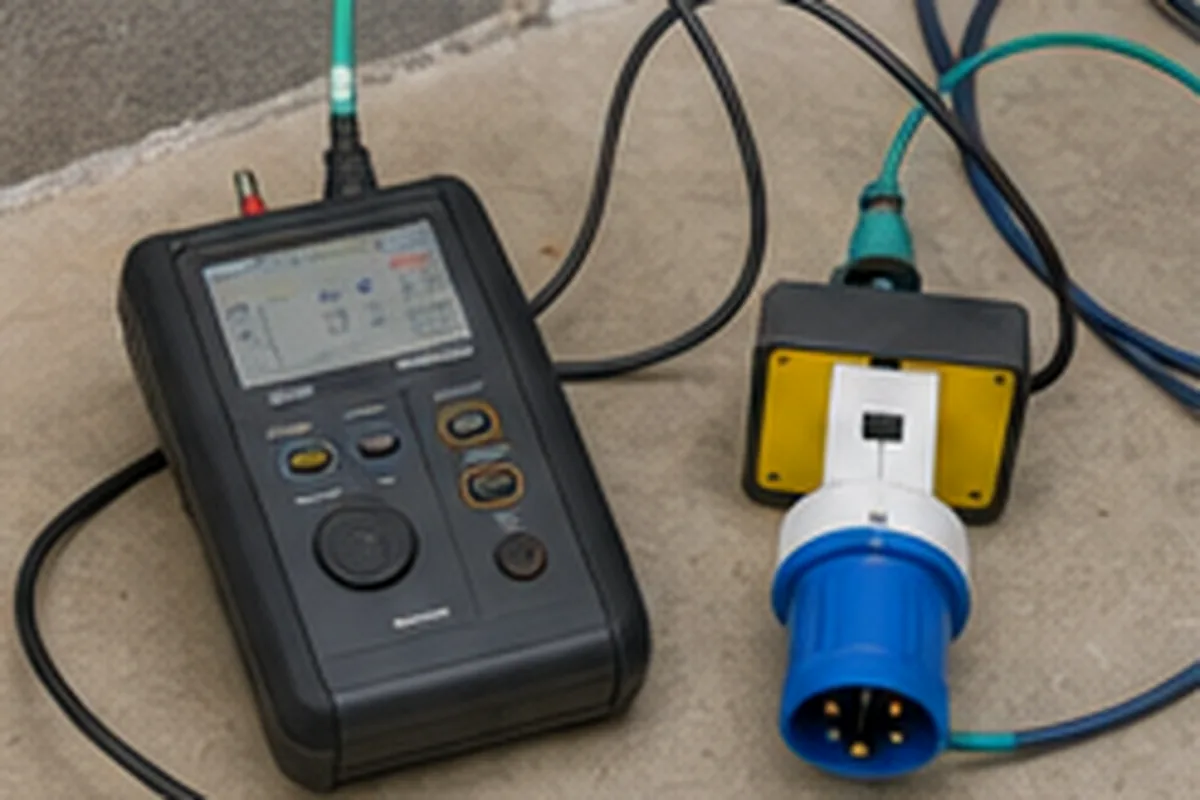
Estimate cumulative leakage from compressors, dehumidifiers, portable AC, heaters, pumps and long wet leads before stacking everything behind one RCD.
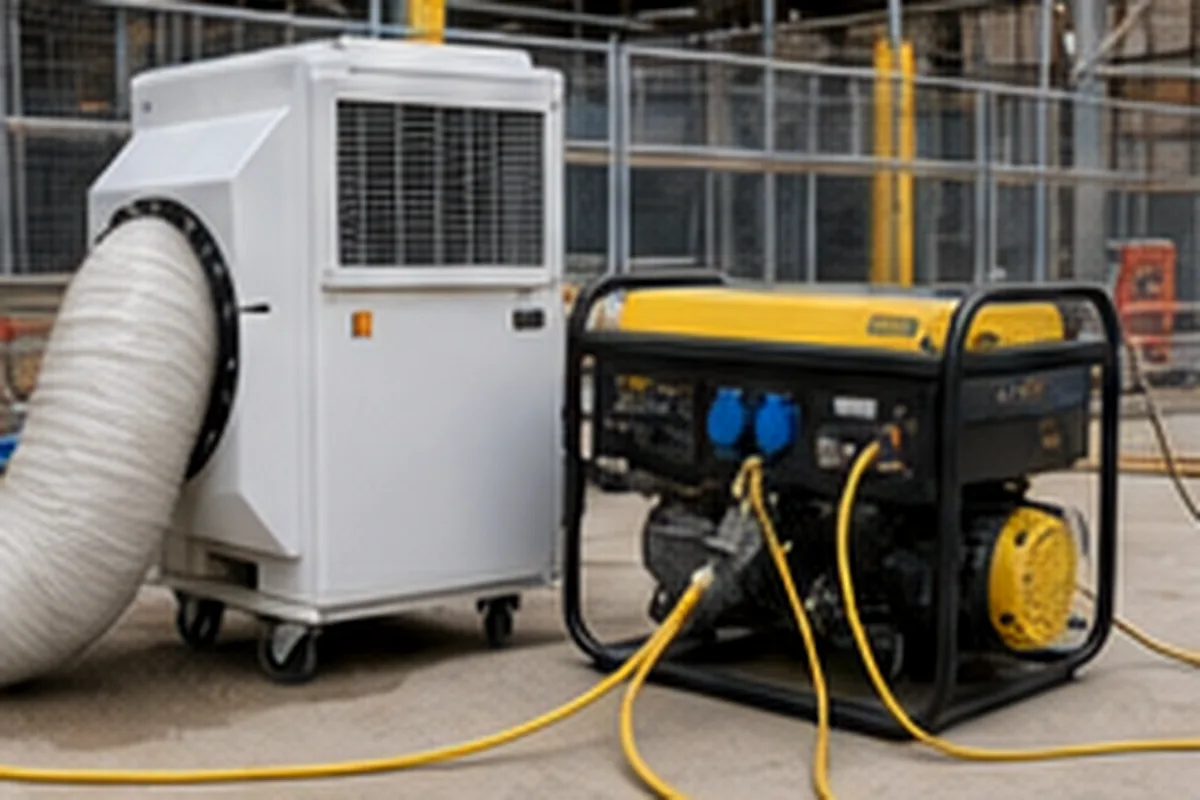
Size a generator for portable AC, dehumidifiers, fans and heaters with a start-current allowance rather than only running watts.
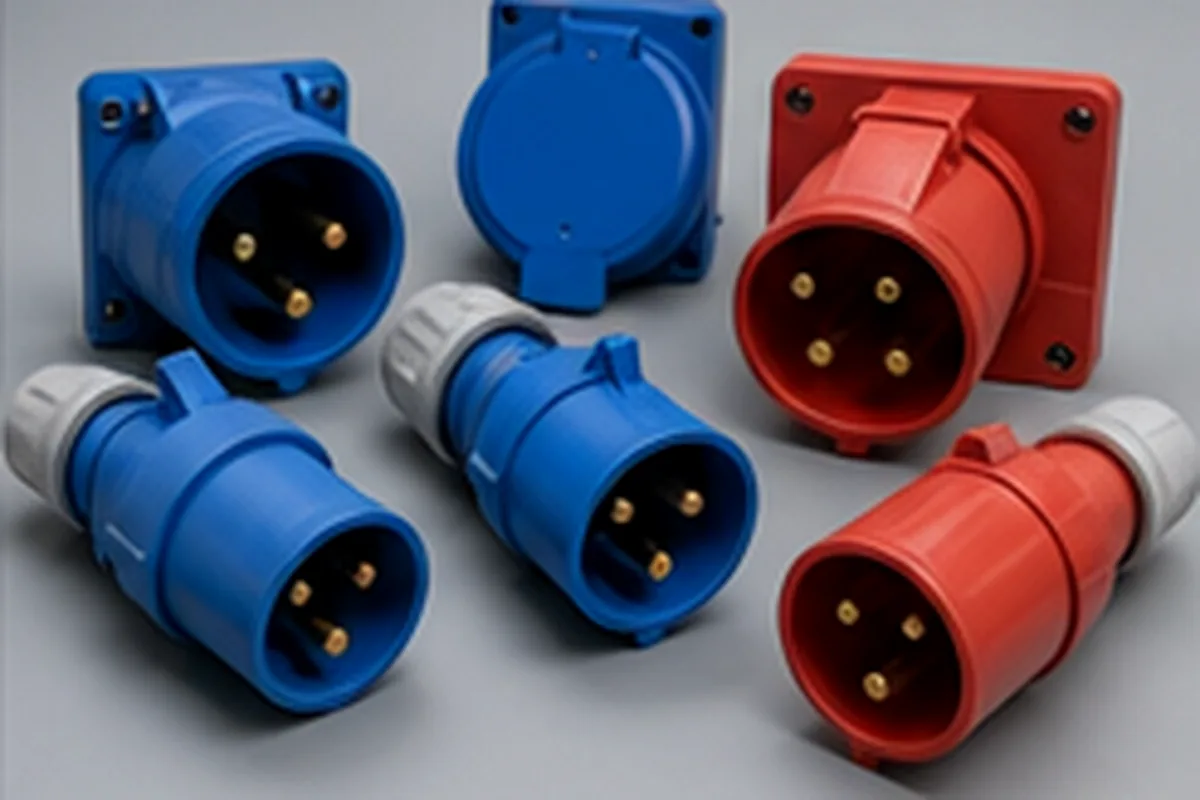
Select a likely temporary connection class based on load current, voltage, environment and duty cycle.