A coiled reel is a heat trap
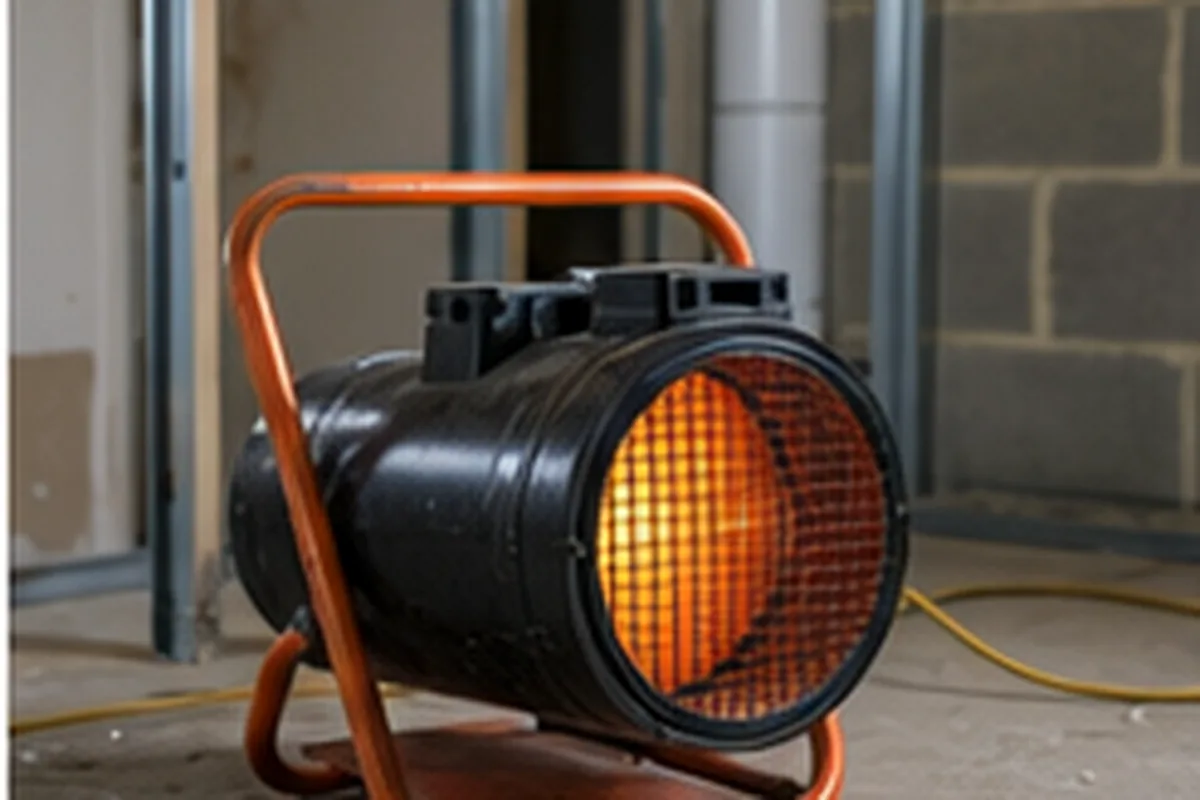
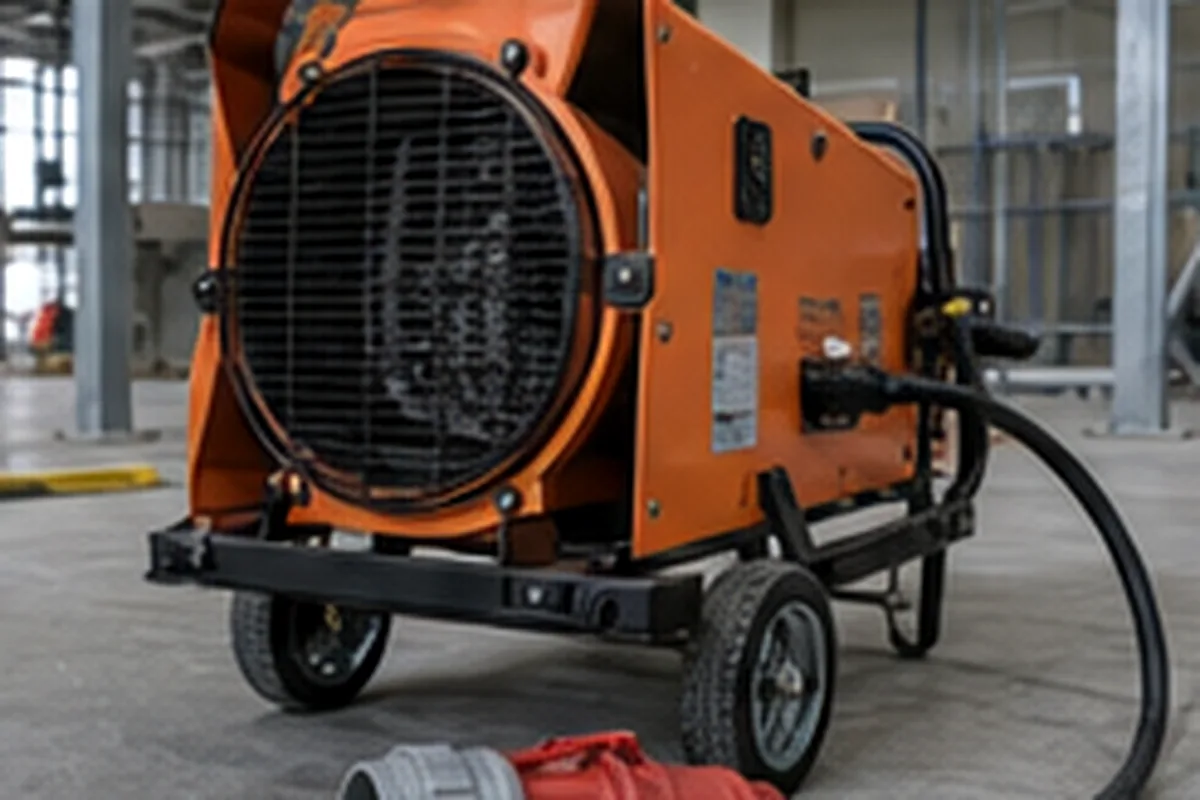
Temporary heaters can keep a reel warm for hours. Fully unwind reels and avoid hiding cable under materials or insulation.
Electrical calculator · extension lead / cable reel / derating / 3kW heater
Check whether a coiled, partly unwound or long extension reel is a bad match for a 2kW or 3kW temporary heater.
For heater setups using 13A plugs, 16A commando leads or long extension reels.
Field notes
Practical checks to run before this calculator result turns into a site decision.
Temporary heaters can keep a reel warm for hours. Fully unwind reels and avoid hiding cable under materials or insulation.
A heater running all day is not the same as a short tool load. Watch 13A plugs, long leads and shared circuits.
The best fix is usually shorter cable, better connector class, full unwind, load split or a dedicated supply.
FAQ
Short answers for UK temporary electrical and HVAC planning.
Check whether a coiled, partly unwound or long extension reel is a bad match for a 2kW or 3kW temporary heater. It is mainly for temporary HVAC, drying, cooling and site-power planning, especially where a quick pre-check is needed before selecting equipment or changing a temporary setup.
No. Treat it as a pre-check for the conversation or job file. Final decisions still need current BS 7671 requirements, manufacturer data, inspection, testing, risk assessment and the actual site conditions.
Check heater nameplate kW, plug or commando rating, lead length, whether reels are fully unwound, circuit sharing and the installation environment. If any assumption is uncertain, use the result as a prompt to investigate rather than as clearance to switch on.
It normally means the margin is weak, an assumption is missing, or the load should be split, staged, moved closer to the supply, reduced or checked by a qualified electrician before use.
Convert heater kW into current at 110V, 230V or 400V and check 13A, 16A, 32A and three-phase supply classes.
Pick the likely connection class for an electric heater: 13A plug, 16A, 32A, 63A or three-phase.
Plan staged heater switching and phase allocation so large temporary heating sets do not hit one supply at once.
Estimate extra heat needed when extract fans, open doors or air changes are dragging warm air out of a workspace.