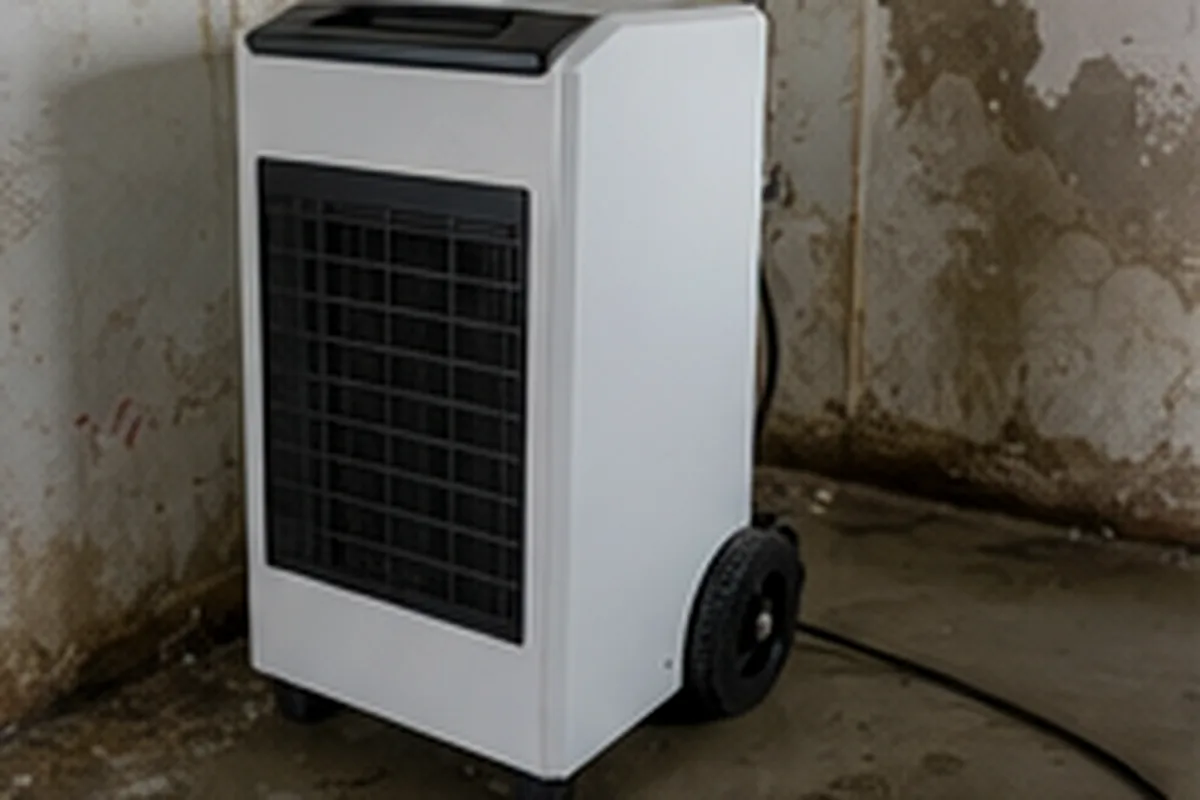
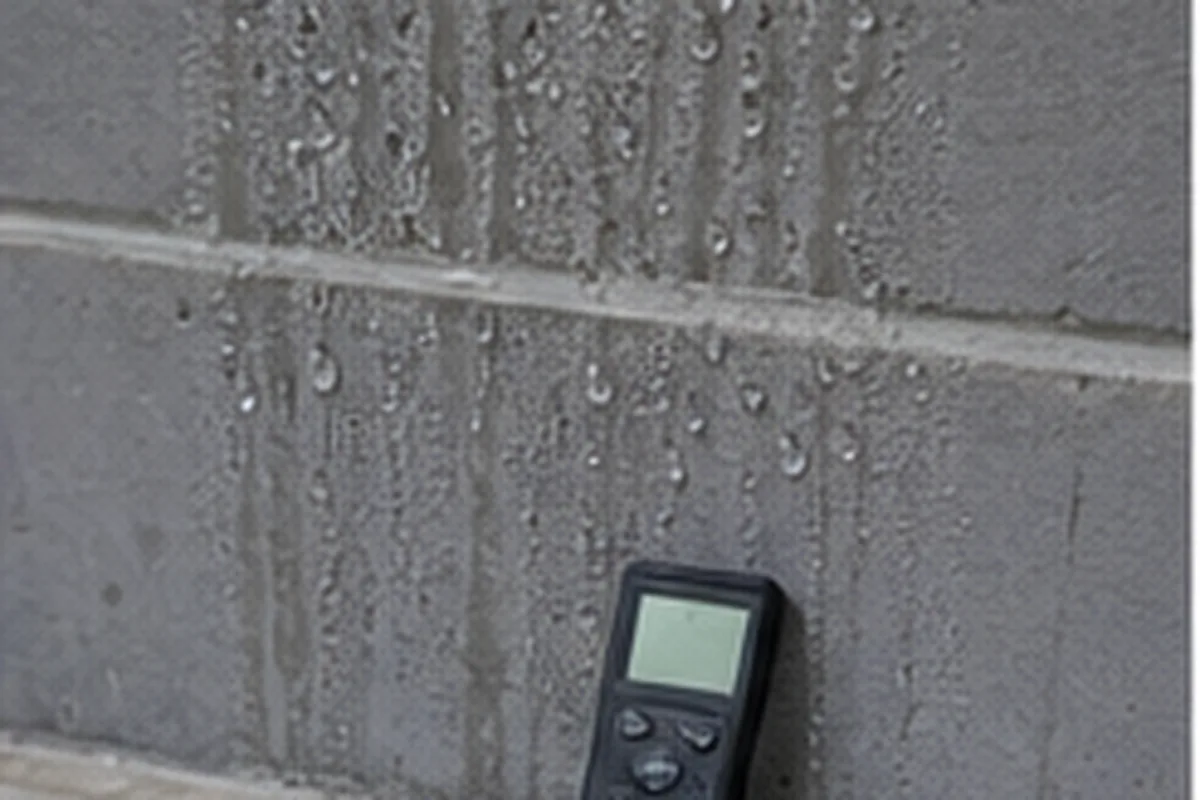
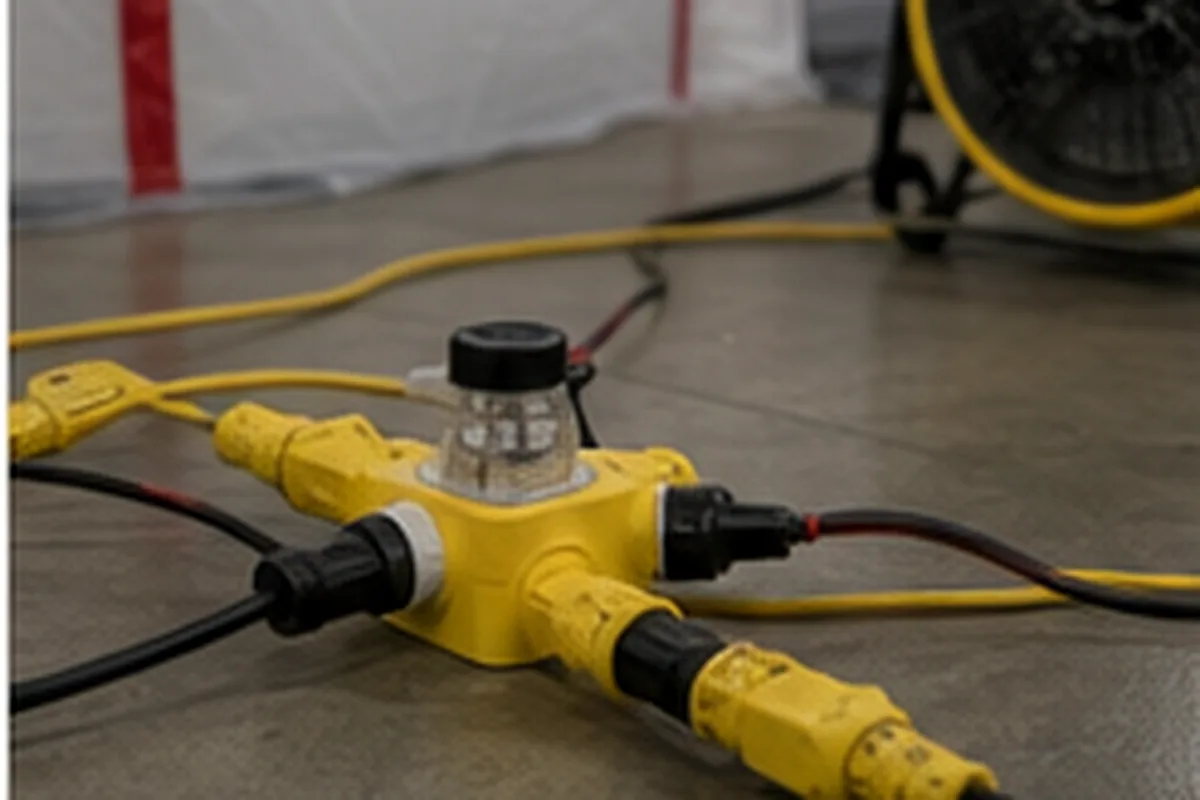
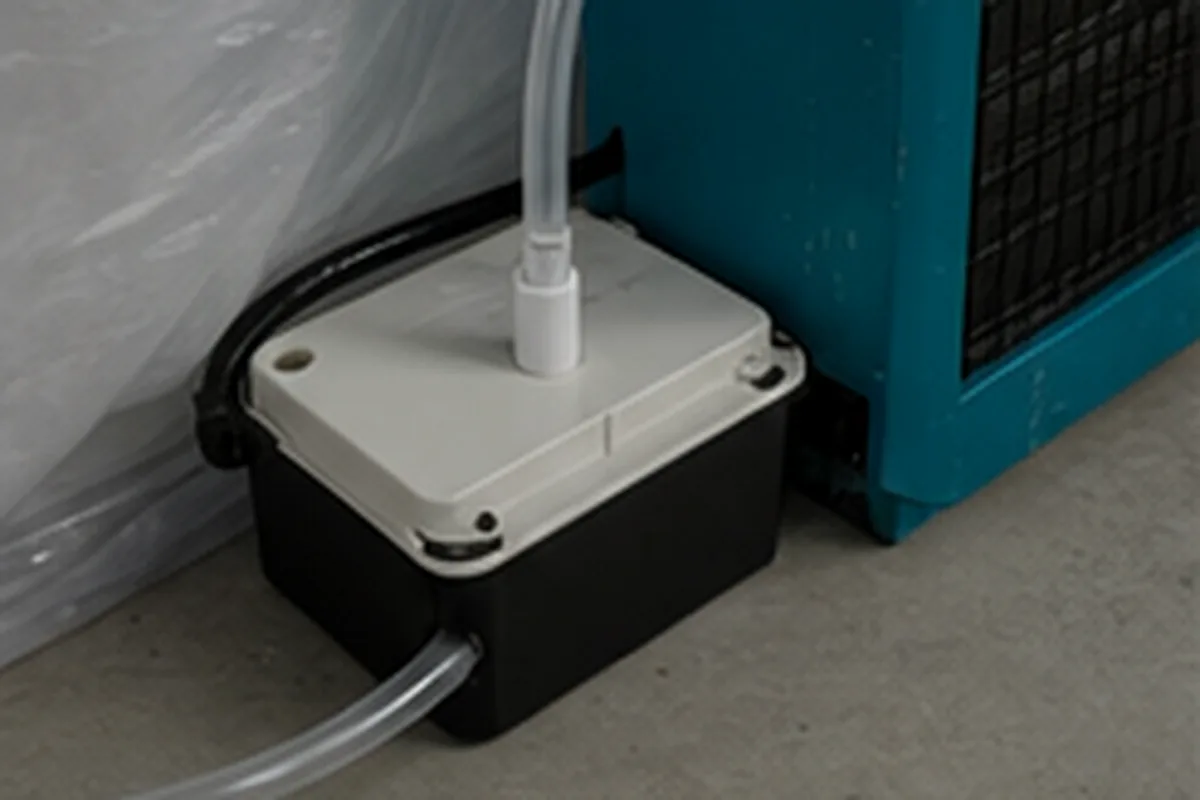
Power, water and airflow have to work together
A dehumidifier plan fails if condensate, air circulation or supply capacity is ignored. Check the electrical plan alongside the drying layout.
Electrical calculator · desiccant / refrigerant / dehumidifier
Choose a dehumidifier type based on temperature, RH, target and site conditions.
For cold garages, flood work, construction drying and normal indoor humidity control.
Field notes
Practical checks to run before this calculator result turns into a site decision.
A dehumidifier plan fails if condensate, air circulation or supply capacity is ignored. Check the electrical plan alongside the drying layout.
Early-stage flood drying can look very different from late-stage drying. Revisit the calculation after the first site readings rather than locking the initial setup in place.
Wet leads, pumps, compressors and stacked kit can create leakage or start-current problems. Split circuits before the job becomes intermittent.
FAQ
Short answers for UK temporary electrical and HVAC planning.
Choose a dehumidifier type based on temperature, RH, target and site conditions. It is mainly for temporary HVAC, drying, cooling and site-power planning, especially where a quick pre-check is needed before selecting equipment or changing a temporary setup.
No. Treat it as a pre-check for the conversation or job file. Final decisions still need current BS 7671 requirements, manufacturer data, inspection, testing, risk assessment and the actual site conditions.
Check room volume, temperature, humidity, condensate handling, air movement, available supply capacity and whether wet leads or RCD nuisance trips are likely. If any assumption is uncertain, use the result as a prompt to investigate rather than as clearance to switch on.
It normally means the margin is weak, an assumption is missing, or the load should be split, staged, moved closer to the supply, reduced or checked by a qualified electrician before use.
Estimate litres/day capacity from room volume, temperature, humidity and drying target, then check power requirements.
Calculate dew point and cold-surface condensation risk, then decide whether heat, dehumidification or airflow is the first lever.
Combine dehumidifiers, air movers and support heaters into a staged circuit plan for drying jobs.
Check whether a dehumidifier or portable AC condensate route is likely to need a pump or a shorter drain path.