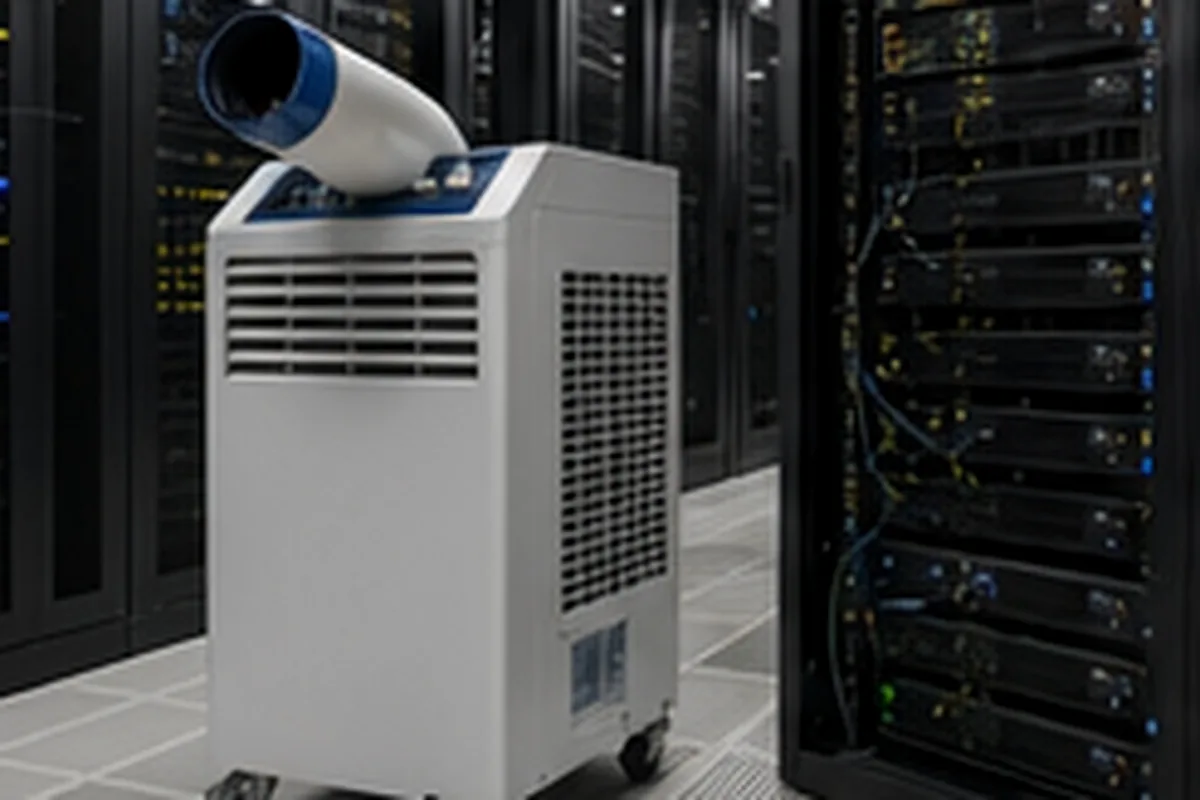
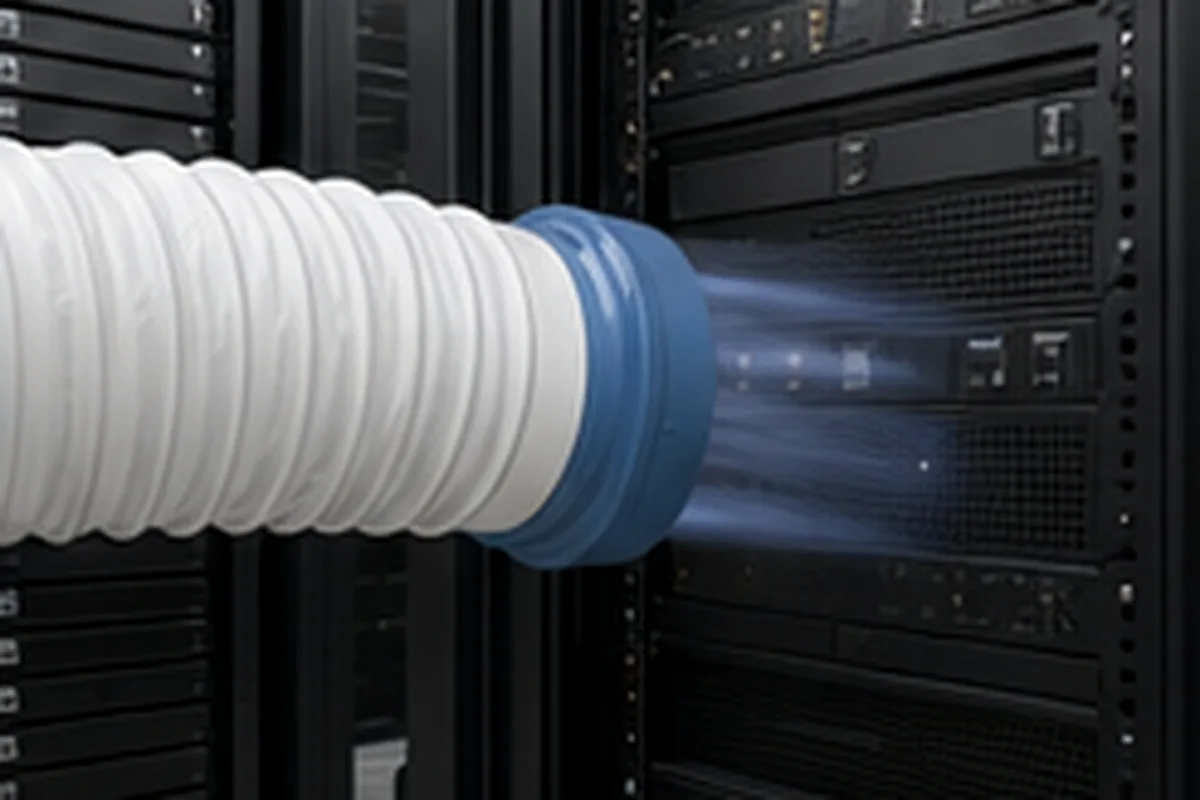
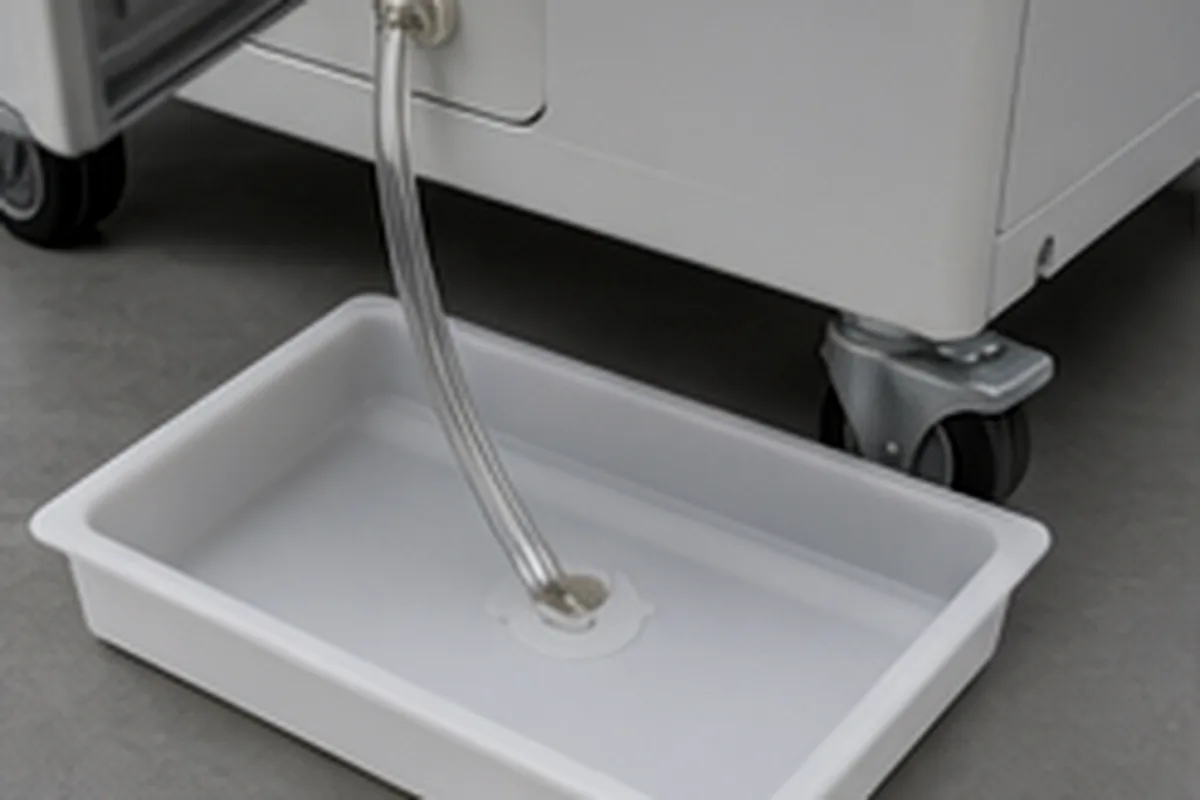
Exhaust and condensate are part of the load plan
Portable AC fails when hot exhaust air recirculates or condensate has nowhere to go. Check ducts, pumps and drainage before sizing more units.
Electrical calculator · AC exhaust / ducting / derate
Estimate cooling performance loss from long exhaust duct runs, bends and recirculation risk.
For temporary AC installs where hot exhaust routing is the real constraint.
Field notes
Practical checks to run before this calculator result turns into a site decision.
Portable AC fails when hot exhaust air recirculates or condensate has nowhere to go. Check ducts, pumps and drainage before sizing more units.
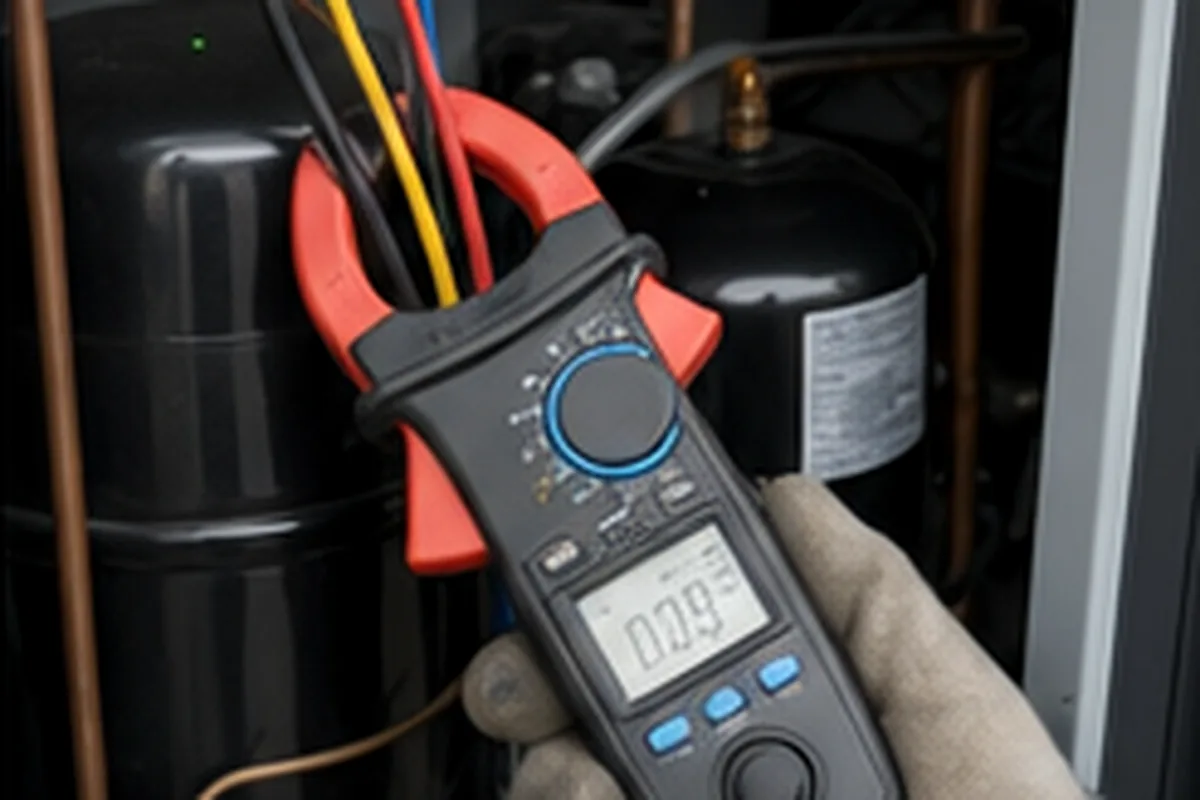
Running current is not the whole story. If the site has generators, long leads or shared circuits, leave margin for start current and voltage sag.
Server rooms, event rooms and workshops change load during the day. Recheck assumptions after doors, people, equipment and extraction patterns are known.
FAQ
Short answers for UK temporary electrical and HVAC planning.
Estimate cooling performance loss from long exhaust duct runs, bends and recirculation risk. It is mainly for temporary HVAC, drying, cooling and site-power planning, especially where a quick pre-check is needed before selecting equipment or changing a temporary setup.
No. Treat it as a pre-check for the conversation or job file. Final decisions still need current BS 7671 requirements, manufacturer data, inspection, testing, risk assessment and the actual site conditions.
Check cooling load, exhaust duct route, condensate route, compressor start current, available circuit rating and whether other site loads share the supply. If any assumption is uncertain, use the result as a prompt to investigate rather than as clearance to switch on.
It normally means the margin is weak, an assumption is missing, or the load should be split, staged, moved closer to the supply, reduced or checked by a qualified electrician before use.
Estimate portable AC capacity in kW and BTU/h for offices, plant rooms, events, kitchens and workshops.
Estimate spot cooling for server rooms, production lines, events and overheated work zones.
Estimate start-current pressure on breakers or generators for portable AC and compressor loads.
Plan tank emptying, gravity drain or pump route for unattended portable AC operation.