Air path matters more than fan count
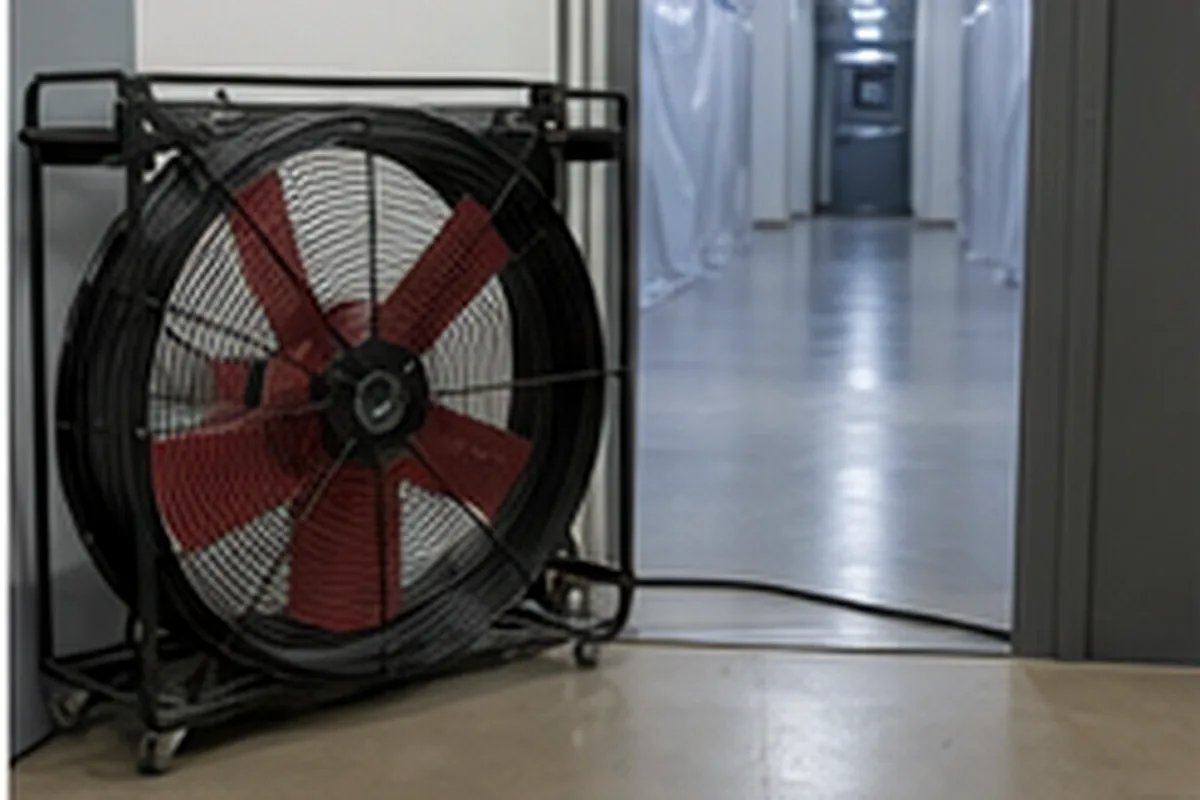
Fans need a sensible intake, discharge route and make-up air path. More fans can still underperform if ducting or room geometry blocks the flow.
Electrical calculator · ducting / fan derate / static pressure
Estimate how duct length, bends, inlet restrictions and outlet restrictions reduce nominal fan airflow.
For portable extraction, ventilation, drying airflow and AC exhaust duct planning.
Field notes
Practical checks to run before this calculator result turns into a site decision.
Fans need a sensible intake, discharge route and make-up air path. More fans can still underperform if ducting or room geometry blocks the flow.
Long flexible duct, crushed bends and reducers can knock capacity down quickly. Use the result as a site cross-check, not a catalogue promise.
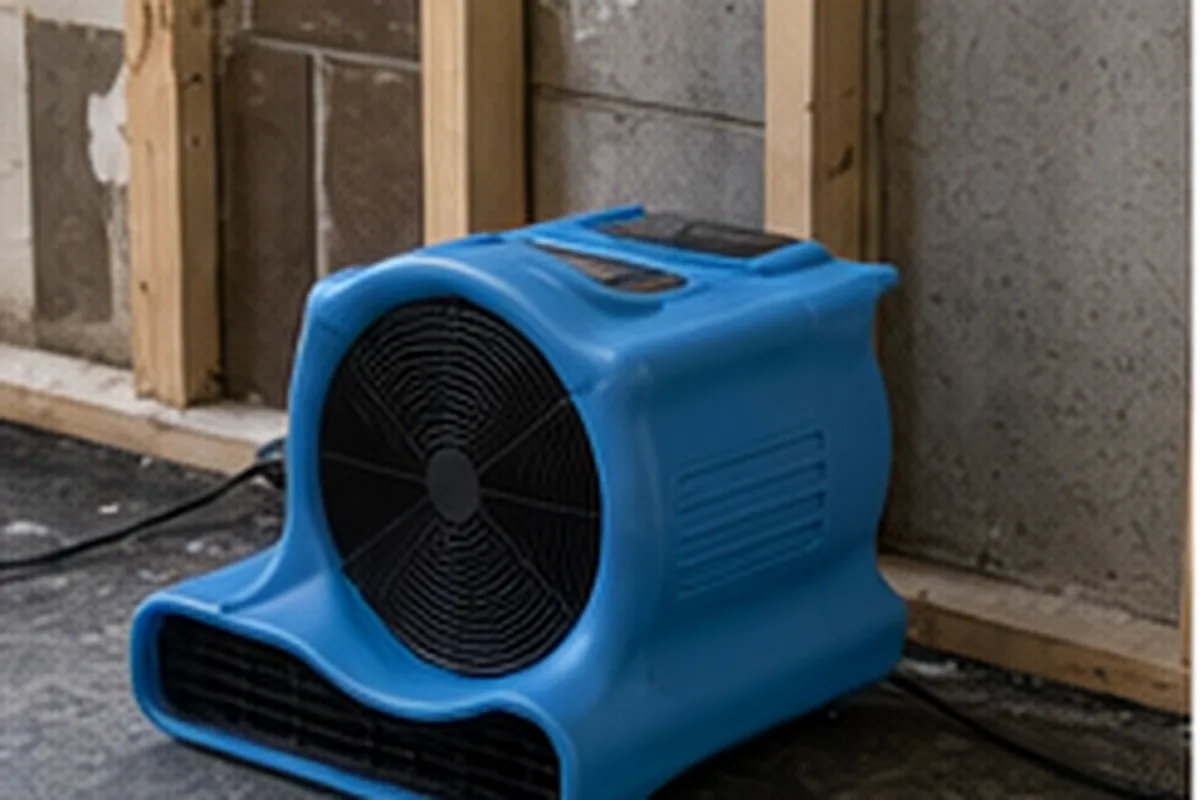
Large fans and air movers add trailing leads, noise, dust movement and sometimes negative pressure. Plan power routes and access before switching on.
FAQ
Short answers for UK temporary electrical and HVAC planning.
Estimate how duct length, bends, inlet restrictions and outlet restrictions reduce nominal fan airflow. It is mainly for temporary HVAC, drying, cooling and site-power planning, especially where a quick pre-check is needed before selecting equipment or changing a temporary setup.
No. Treat it as a pre-check for the conversation or job file. Final decisions still need current BS 7671 requirements, manufacturer data, inspection, testing, risk assessment and the actual site conditions.
Check room volume, duct length, static pressure, intake and exhaust position, make-up air and the supply available for continuous fan operation. If any assumption is uncertain, use the result as a prompt to investigate rather than as clearance to switch on.
It normally means the margin is weak, an assumption is missing, or the load should be split, staged, moved closer to the supply, reduced or checked by a qualified electrician before use.
Estimate airflow required for workshops, drying rooms, stores and warehouses by room volume and target air changes.
Suggest count and placement pattern for air movers in a drying room based on wet surface area and room shape.
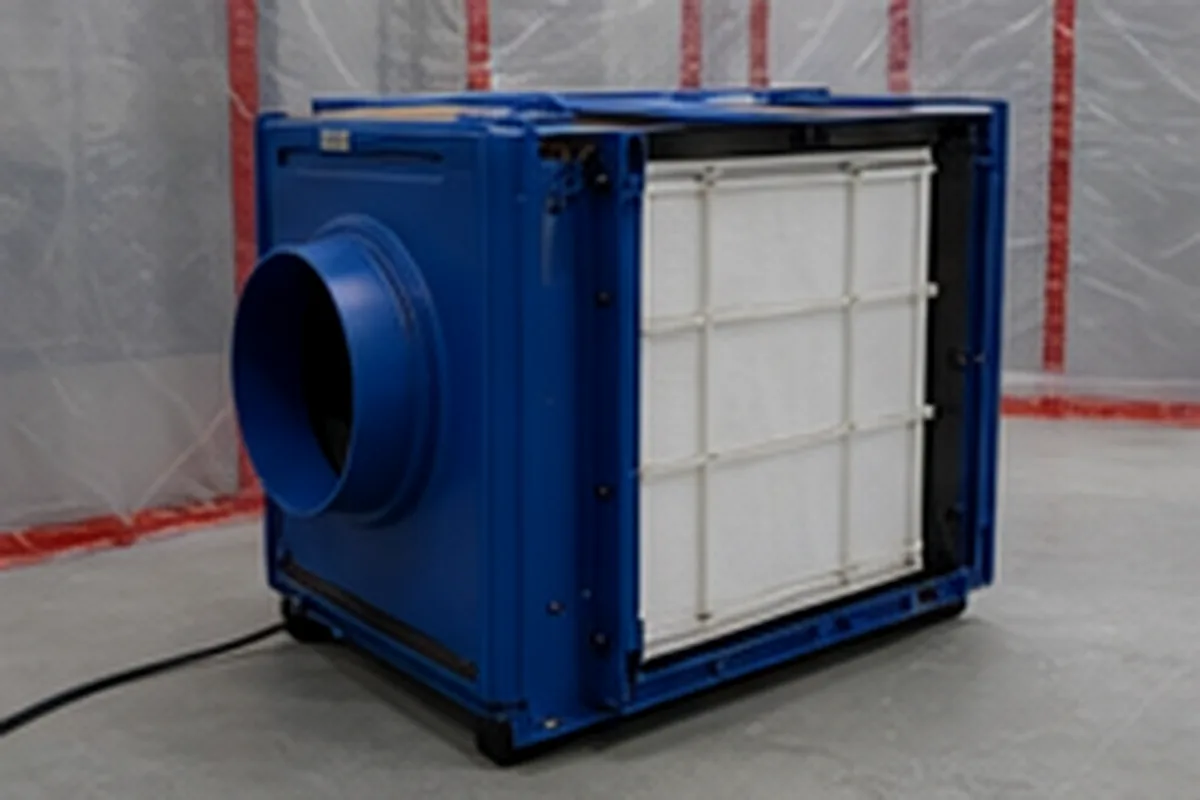
Estimate air scrubber airflow needed to maintain containment or repeated air cleaning in a work zone.
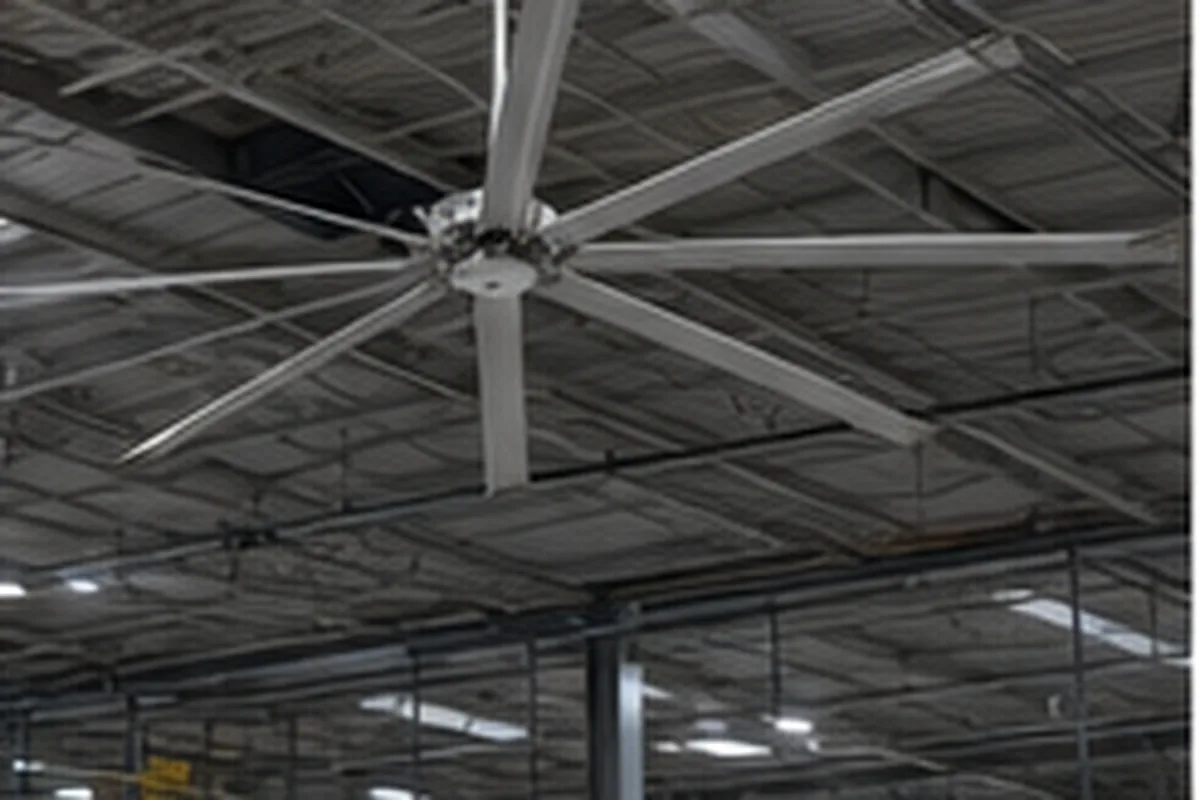
Estimate whether destratification fans could reduce heat stacking and improve heater effectiveness in high spaces.